If you were recently arrested while sitting in a parked car in Arizona, you may be wondering whether a DUI charge can actually stick when your vehicle was not moving. The short answer is yes—Arizona law allows DUI charges even when a car is stationary in a parking lot or driveway.
Key Takeaways
- In Arizona, you can be charged with a DUI in a parking lot because DUI laws apply to both public and private property, including commercial lots and residential driveways.
- Arizona’s DUI laws cover “actual physical control” of a motor vehicle, meaning being in the driver’s seat with access to the keys can lead to a DUI arrest even if the car is not moving.
- In many states, being found in a parked car while intoxicated can lead to DUI charges if law enforcement believes the individual had the ability to operate the vehicle.
- The same penalties generally apply whether your DUI occurred on a Phoenix highway or in a Scottsdale parking lot.
- Small details—which seat you were in, where the keys were located, whether the engine was running—can make all the difference in whether DUI charges hold up in court.
Anyone facing a possible parked-car DUI in Arizona should speak with an experienced JacksonWhite DUI attorney for case-specific advice.
Arizona’s DUI Law: Driving vs. “Actual Physical Control”
Arizona’s main DUI statute, A.R.S. § 28-1381, prohibits a person from being in “actual physical control” of a vehicle while impaired or with a BAC at or above the legal limit of 0.08%. This language is critical: the law does not require a police officer to witness actual driving. Being in control of a parked vehicle in a parking lot or driveway can qualify.
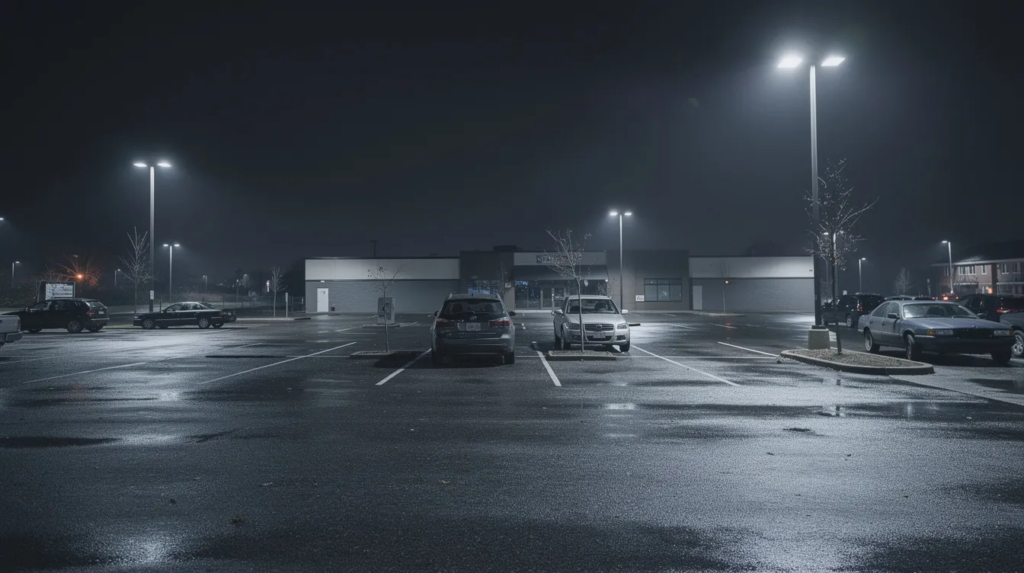
Arizona courts have interpreted this concept broadly. In states like California and Florida, DUI laws apply everywhere within the state, including private property that is publicly accessible—and Arizona follows a similar approach. The statute applies on public roads and many private locations, including apartment complexes and shopping centers. Later sections will break down how courts decide whether someone in a parked car actually had physical control of the vehicle.
What Does “Actual Physical Control” Mean in Arizona?
Actual physical control means having the immediate ability to operate a vehicle, even if you are not actively driving. The concept of actual physical control varies by state but generally includes scenarios where a driver is inside the car with access to the keys, even if the car is not moving.
Arizona appellate decisions instruct courts to examine the “totality of the circumstances.” Courts often consider several factors to determine if someone had actual physical control of a vehicle, including: whether the person was in the driver’s seat, passenger seat, or back seat – where the car was located (traffic lane, apartment parking lot, or private property) – whether the engine was running or headlights were on – where the keys were (in the ignition, center console, or outside the vehicle) – time of day and whether the car appeared recently driven – whether the person was asleep or awake.
No single factor automatically decides the issue. This totality analysis often gives defense attorneys room to argue that someone in a parked vehicle did not have control of the vehicle at the time of the alleged offense.
Common Parked-Car Scenarios in Arizona DUI Cases
Many Arizona DUI cases begin in parking lots and driveways rather than on the roadway, especially late at night near bars, stadiums, and college campuses.
Consider a driver asleep in the driver’s seat of a parked car outside a Phoenix bar with the engine running and air conditioning on. Police often view this as clear actual physical control. Contrast this with someone asleep in the back seat of a legally parked car at a Tempe apartment complex with keys stored in the trunk—this presents a stronger defense against DUI charges.
Other examples include: a car parked crooked or partially blocking a driving lane at a shopping center – a parked vehicle with hazard lights on at the edge of a Chandler neighborhood street – a person sitting behind the wheel in a grocery-store parking lot, engine off but keys in hand, waiting to “sober up.” In each scenario, specific facts about location, position in the vehicle, and key access dramatically affect whether the prosecution can prove a DUI.
Sleeping It Off in a Parked Car
Many people believe sleeping in their car is the safe alternative to drunk driving, but in Arizona it can still lead to a DUI arrest. Officers and courts differentiate between someone genuinely trying to avoid driving and someone moments away from starting the engine: back seat vs. driver’s seat – keys stored out of reach vs. in the ignition – engine and climate control off vs. running.
Defendants can argue that they had no intent to drive if they were using their vehicle for shelter, which can lead to dismissal of DUI charges in some circumstances. However, safer choices include arranging a ride home, using a rideshare service, or staying at a bar, hotel, or friend’s home instead of remaining in a parked car.
Legally Parked vs. Unsafe Stopping Locations
Being legally parked in a marked space may help your defense, but does not automatically prevent DUI charges if a law enforcement officer believes you could easily drive away while impaired. If a vehicle is legally parked, it can be a strong defense against DUI charges, as it may indicate the individual posed no risk to public safety.
Contrast this with dangerous locations—stopping on the shoulder of I-17, partially blocking a lane, or parked crooked across two spaces—which courts may view as circumstantial evidence of recent impaired driving. Defense attorneys can use security camera footage, witness statements, or time-stamped receipts to show when the vehicle was parked in relation to drinking.
How Arizona Police Build a DUI Case in a Parking Lot
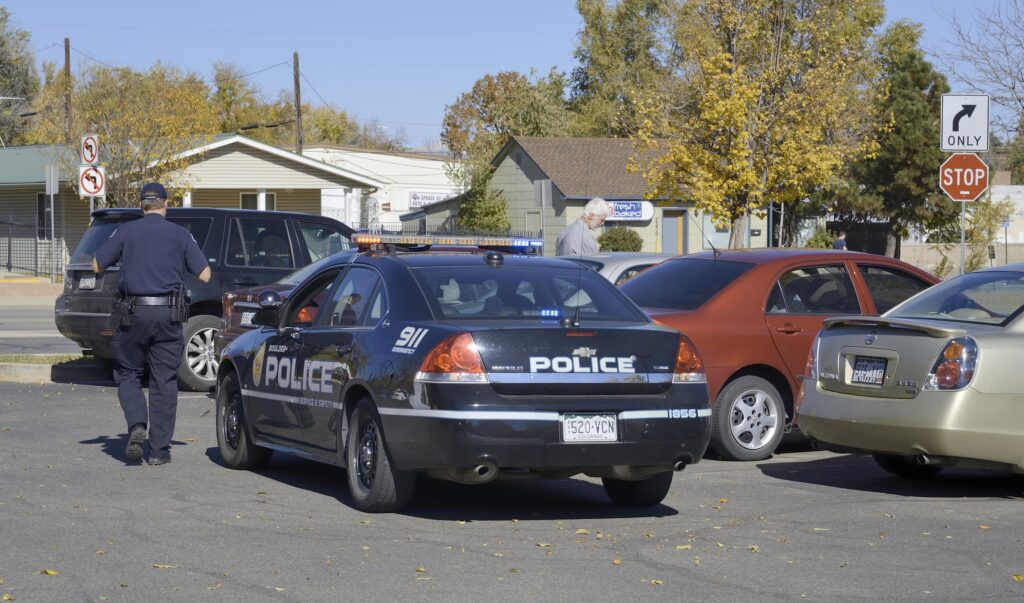
A typical parking-lot DUI investigation might start with a property-owner complaint, a welfare check on a sleeping driver, or an officer patrolling a bar’s lot on a weekend night.
The steps a police officer often takes include: approaching the parked car and observing the driver’s position, engine status, and surroundings – looking for signs of impairment (odor of alcohol, slurred speech, bloodshot eyes, open containers) – asking how the person arrived and whether they have driven recently – administering field sobriety tests if they suspect impairment.
Factors that law enforcement may consider when determining if someone is in actual physical control include the driver’s proximity to the steering wheel, the condition of the vehicle, and whether the engine is running. If the arresting officer believes you have control of the vehicle, they may make a DUI arrest even without seeing the vehicle move. Anything you say about “just parking a few minutes ago” or “planning to drive home” can be used as evidence of operating a vehicle or intent to drive while intoxicated.
Evidence Used to Prove or Dispute Physical Control
Prosecutors rely on several types of evidence in parking-lot DUI cases: body-camera and dash-camera footage – photos of how the car was parked – reports noting whether the engine was warm, lights were on, or transmission was in gear – breath or blood test results showing BAC above 0.08% or the influence of drugs – witness statements from bystanders or parking-lot security.
Prosecutors can use circumstantial evidence such as having the car keys in the ignition or the engine being warm to prove operation of the vehicle while intoxicated. Defense attorneys scrutinize this evidence for inconsistencies or gaps. In some cases, evidence may support that the person became intoxicated only after they were already parked, which affects how courts view actual physical control. Preserving and reviewing all available evidence quickly is critical—contact counsel soon after a suspected DUI arrest.
Penalties for a Parked-Car DUI in Arizona
A DUI in a parking lot is generally treated with the same severity as one on a highway, with identical legal penalties including potential jail time and fines. The penalties for a DUI in a parked car can be as severe as those for driving under the influence, including jail time, fines, and license revocation.
A first DUI offense can result in a minimum sentence of 72 hours in jail, a $1,500 fine, and a 90-day license revocation, regardless of whether the vehicle was in motion or parked. Subsequent DUI offenses can lead to increased penalties, such as 20 days in jail and a $3,000 fine for a second offense, and up to 120 days in jail and a $10,000 fine for a third offense within ten years.
Higher BAC levels (0.15% and above) trigger “extreme” or “super extreme” DUI charges with enhanced criminal charges. Collateral consequences—increased insurance rates, employment issues, impacts on driving privileges—can be just as serious as the sentence itself.
Defense Strategies in Arizona Parked-Car DUI Cases
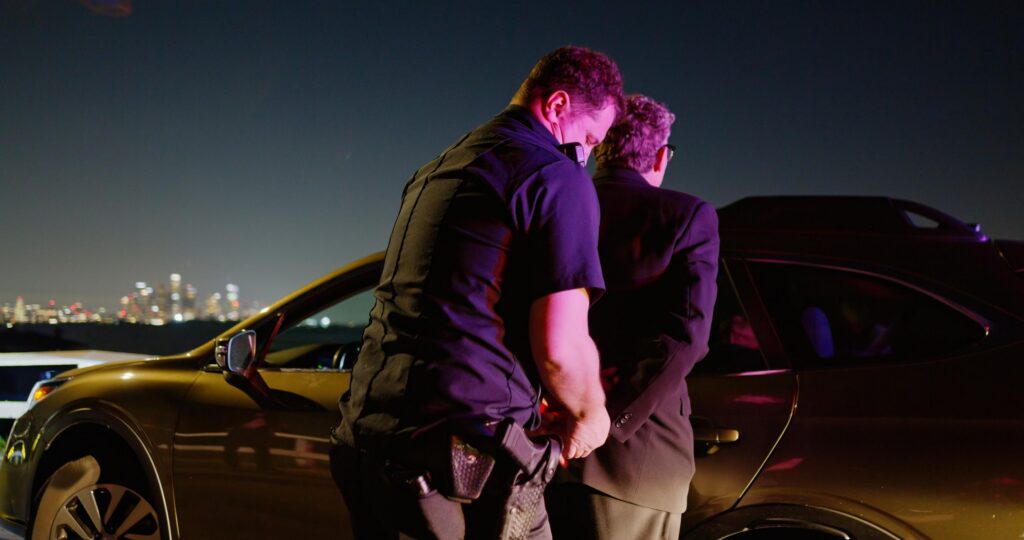
Defense strategies focus heavily on challenging whether the defendant truly had actual physical control of the vehicle at the time of the DUI arrest. Challenging the concept of actual physical control is a common defense strategy, as it requires proving that the individual had the ability to operate the vehicle while impaired.
Common defense themes include: arguing the client was not operating a vehicle and had taken reasonable steps to avoid driving – questioning the officer’s observations about where keys were and which seat the client was in – attacking the reliability or timing of breath or blood tests – exploring whether the person became impaired only after parking.
States may offer affirmative defenses if it can be shown that the driver recognized impairment and safely parked the vehicle to avoid danger. An experienced Arizona DUI attorney may also file motions to suppress evidence if the initial contact lacked probable cause. Successful defense strategies can lead to reduced DUI charges, amended offenses, or outright dismissal.
Challenging the “Actual Physical Control” Element
Defense counsel may present evidence showing the client did not intend to drive and had effectively disabled their ability to operate the vehicle—keys stored in the trunk, sleeping in the back seat, or a vehicle with mechanical problems. Defense strategies for DUI charges from parked cars may include demonstrating lack of intent to drive and challenging the arresting officer’s initial reason for investigating.
A strong defense against DUI charges when not actively driving can be based on a lack of evidence proving the individual was operating the vehicle. The goal is often to create reasonable doubt about whether the client was in a position to immediately operate the vehicle while impaired.
Contesting Chemical Tests and Field Sobriety Evidence
Common challenges include issues with breath machine calibration, improper blood draw procedures, or chain-of-custody problems. Physical conditions—fatigue, uneven parking-lot pavement, footwear, or medical issues—can affect field sobriety test performance and may be used to challenge the officer’s conclusions. Successfully limiting or excluding this evidence can significantly weaken the prosecution’s case when there is already doubt about physical control.
What to Do If You’re Arrested for DUI in a Parking Lot in Arizona
If you have recently been arrested in a parked-car situation, here are recommended steps: remain polite and avoid arguing with the police officer during the arrest – exercise your right to remain silent and avoid detailed explanations about where you parked or how much you drank after having a few drinks – comply with lawful requests but understand that refusing chemical tests carries legal consequences under Arizona’s implied consent laws.
Soon after release, write down everything you remember—exact parking-lot location, which seat you were in, where the keys were, and any witnesses. Contact an Arizona DUI or criminal defense lawyer as soon as possible to review evidence, preserve surveillance video, and start building your legal defense. A parked-car DUI charge is not automatically a DUI conviction, and early legal representation can make a meaningful difference.
Frequently Asked Questions About Parked-Car DUIs in Arizona
Can I get a DUI in Arizona if my car is off and I’m just sitting in the driver’s seat?
Yes. Arizona police can still arrest you if you are intoxicated and in the driver’s seat of a parked car, even with the engine off, if they believe you have actual physical control—for example, keys in your hand or nearby. Courts examine all surrounding circumstances, so where the keys are, how the car is parked, and what you were doing all matter. Anyone cited in this situation should speak with an Arizona DUI attorney to evaluate whether the state can truly prove control.
Does it matter that I was in a private parking lot or my own driveway?
In Arizona, DUI laws can apply in many private locations, including commercial parking lots and residential driveways, not just a public road. While location is one factor in the analysis, being on private property by itself does not automatically prevent DUI charges. Consult legal counsel to determine whether the specific property and access rules in your case affect the prosecution’s burden of proof.
If I move to the back seat, am I safe from a DUI charge?
Moving to the back seat, especially with keys placed somewhere inaccessible, can help show you were not in physical control, but it is not an absolute guarantee against criminal charges. Law enforcement may still arrest, and the court will decide. Treat this as a risk-reduction measure rather than a foolproof shield, and seek legal advice if charged despite these precautions.
Can I be charged with DUI if I drank after I parked my car?
If you arrived sober, parked the vehicle, and only then became impaired—for example, drinking at a friend’s apartment and later sleeping in your car—that timing can be important in your defense. The prosecution must link your impairment to a time when you were in actual physical control. These timing issues are complex, making individualized legal representation critical.
Do I really need a lawyer for a first-time parked-car DUI in Arizona?
Even a first-offense DUI in Arizona can carry mandatory jail time, financial penalties, and long-term consequences regardless of whether the incident happened in a parking lot. A knowledgeable DUI attorney can assess whether the state can prove actual physical control, negotiate with prosecutors, and pursue strong defense options. Contact the JacksonWhite DUI or criminal defense team to get specific guidance based on your case facts.
Talk to the JacksonWhite DUI and Criminal Defense Team
Parked-car and parking-lot DUI cases in Arizona are complex and turn on detailed legal analysis of actual physical control. JacksonWhite Attorneys at Law has experience handling DUI cases involving cases involving parked vehicles in bar parking lots, apartment complexes, and private driveways across Arizona.
The firm can evaluate the specific facts of your DUI arrest, review police reports and video, and advise whether challenging actual physical control or other elements is appropriate for your situation. If you are facing DUI charges or an upcoming court date, contact the JacksonWhite DUI or criminal defense team to schedule a consultation and discuss tailored defense strategies.
Call JacksonWhite at (480) 745-1639 today to arrange a free consultation and case evaluation.