Arizona offers some of the most spectacular outdoor recreation opportunities in the country—from the depths of the Grand Canyon to your favorite hiking trails in the Sonoran Desert. Many residents and visitors wonder: can you bring a gun camping, hunting, or hiking in this state? The short answer is generally yes, but the full answer requires understanding a complex web of state, federal, tribal, and local regulations.
This guide explains the laws you need to know before heading into Arizona’s backcountry with a firearm.
Key Takeaways
- Arizona is a “constitutional carry” state, meaning most adults 21 and older can carry a loaded handgun openly or concealed without a permit, including while hunting, camping, or hiking on most public lands.
- Location matters as much as what you carry. Different rules apply on state trust land, national forests, national parks, BLM land, tribal land, and within city limits—crossing an invisible boundary can change your legal status instantly.
- Hunting-specific regulations add another layer. Arizona Game and Fish rules govern methods of take, seasons, and firearm types, and violations can result in criminal charges, fines, and loss of hunting privileges.
- Prohibited possessors cannot carry anywhere. If you have certain felony convictions, domestic violence orders, or fall under other prohibited categories, possessing a firearm while on the trail or in camp is a serious crime.
- Specific questions require specific legal advice. Anyone facing charges or uncertain about their situation should contact JacksonWhite’s criminal defense team for a confidential consultation.
Arizona’s General Gun Carry Laws Explained
Arizona has earned a reputation as one of the most gun-friendly states in the country. The state operates under what’s commonly called “constitutional carry,” which means eligible adults can carry firearms without obtaining a government-issued permit. However, this freedom comes with real legal boundaries, and getting it wrong can result in felony charges that follow you your whole life.
Under A.R.S. § 13-3102, adults 21 years of age and older may generally carry a loaded handgun either openly or concealed without a permit. This applies to most outdoor recreation settings, including trails, campsites, and hunting areas on public land.
For those between 18 and 20 years old, the rules differ. This age group can typically open carry a handgun but faces significant restrictions on concealed carry. Long guns—rifles and shotguns—are generally legal to carry in the field for adults 18 and over.
Who Cannot Carry
Arizona law designates certain individuals as “prohibited possessors” under A.R.S. § 13-3101. These individuals cannot legally possess or carry a firearm anywhere in Arizona, including while hunting, camping, or hiking:
- People convicted of certain felony offenses
- Individuals subject to certain domestic violence protective orders
- People found to be a danger to themselves or others by a court
- Individuals convicted of domestic violence misdemeanors
- Undocumented immigrants
- People serving a term of probation for certain offenses
Violating prohibited possessor status is a serious felony that can result in years of prison time.
Places That Remain Off-Limits
Even with constitutional carry, certain locations prohibit firearms regardless of your outdoor activity:
- School grounds and school-sponsored events
- Federal facilities and courthouses
- Certain posted government buildings
- Private property where the owner has prohibited weapons
- Establishments that serve alcohol (with some exceptions)
Penalties for carrying in prohibited locations can include class 4 or class 6 felony charges, depending on the circumstances.
While not required for most in-state carry, having a valid Arizona Concealed Weapons Permit can provide benefits—particularly for interstate travel to states with reciprocity agreements or for certain federal gun-free school zone exemptions.
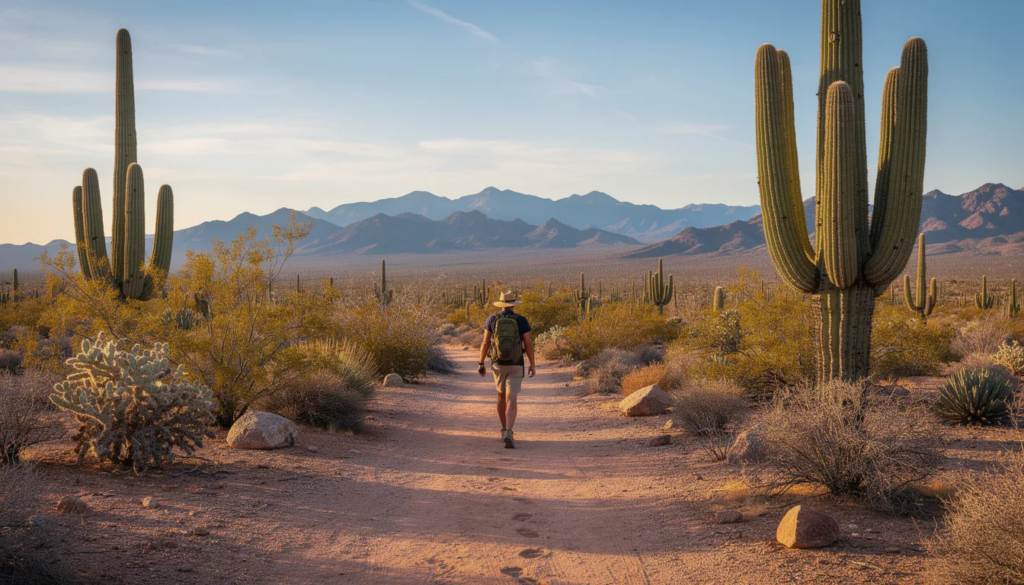
Carrying a Gun While Hunting in Arizona
When you’re actively hunting in Arizona, state gun laws are only part of the equation. Arizona Game and Fish Department regulations create additional requirements that every hunter must follow.
Method of Take Requirements
While hunting big or small game, your firearm and ammunition must comply with Arizona Game and Fish regulations for the specific species and season. For example:
| Game Type | Common Firearm Requirements |
| Deer (general rifle season) | Centerfire rifles meeting minimum caliber requirements |
| Big game | Rimfire generally prohibited |
| Certain birds | Shot size restrictions apply |
| Archery-only seasons | Bow/crossbow only for taking game |
These requirements apply to what you use to take game—not necessarily what you carry for other purposes.
Carrying for Self-Defense While Hunting
It is generally legal to carry a handgun for personal protection while hunting with a different legal method of take. Many hunters carry a pistol on their hip or in an owb holster as security against predators or human threats in remote areas.
However, using that handgun to actually take game outside the authorized method or season can lead to serious criminal wildlife violations. For various reasons, hunters must understand this distinction clearly.
Example: A hunter pursuing elk during archery season can typically carry a semi-automatic pistol for self-defense. But if that hunter uses the pistol to shoot at an elk, they’ve committed a wildlife violation—even if they miss.
Vehicle Carry While Hunting
Arizona generally allows adults to have a loaded handgun in a vehicle. This applies whether you’re driving forest roads or parked at a trailhead. However, muzzle control remains critical for safety, and Game and Fish rules specifically restrict shooting from or across roads.
Hunting on Private Property
Hunting on private property requires explicit permission from the landowner. Trespassing while armed can escalate criminal consequences significantly. What might otherwise be a simple civil trespass matter becomes potentially more serious when you’re carrying a gun or other weapon.
Game and Fish violations—whether for illegal methods of take, hunting out of season, or using an unlawful firearm—can bring fines, jail exposure, and loss of hunting privileges. Anyone cited or arrested should promptly consult a criminal defense attorney familiar with Arizona wildlife law.
Carrying a Gun While Camping in Arizona
The laws governing firearm possession at your camp depend heavily on where you’ve set up. Whether you’re in a tent on forest land or an RV at a developed campground, understanding jurisdiction is essential.
For some campers, carrying a gun while camping can create a sense of security, especially for those who fear encounters with aggressive animals or people. Wildlife encounters, such as with bears or raccoons, are a common concern, and some choose to carry firearms as protection against animals in addition to other deterrents like bear spray. However, many outdoor enthusiasts believe that carrying a gun is unnecessary due to the low likelihood of violent encounters on trails. However you feel, it’s best to know the laws around carrying a gun while camping in Arizona.
National Forests and BLM Land
In most Arizona national forests (such as Coconino, Tonto, and Prescott) and BLM lands, state law governs possession and carry. Constitutional carry applies, meaning adults 21 and older can carry openly or concealed.
However, separate regulations control when and where you may discharge a firearm:
- Near campsites and developed recreation areas
- Within certain distances of roads
- During fire restriction periods
- In designated wilderness areas with special rules
Target shooting is permitted in many areas, but you must follow specific rules about safe backstops, distance requirements, and fire restrictions. During dry seasons, one mistake with target practice can trigger wildfire liability.
Arizona State Parks
Arizona State Parks campgrounds may impose park-specific rules that limit open display or discharge of firearms. Guns may be allowed for lawful self-defense, but target shooting or reckless handling near other campers can lead to ejection from the park and potential criminal charges.
Before you pack your gear and head to a state park, check the specific park’s regulations online or by calling ahead.
National Parks in Arizona
Since 2010, federal law has permitted possession of firearms in national parks consistent with state law. This means you can generally carry at locations like Grand Canyon National Park, Saguaro National Park, and Petrified Forest National Park under Arizona’s constitutional carry provisions.
However, critical restrictions apply:
- Discharging firearms is strictly prohibited
- Firearms cannot be carried into federal facilities—visitor centers, ranger stations, or park administrative offices
- Hunting is not permitted in national parks
- The firearm may only be carried for self-defense, not recreational shooting
These buildings are typically marked with signage at entrances. Ignoring these signs can result in federal charges.
Private Land Camping
When camping on private property, landowners set their own rules. They can permit or prohibit guests from carrying or firing guns on their land. Violating a landowner’s instructions can lead to trespass complaints or other charges, even if you’d otherwise be legally permitted to carry.
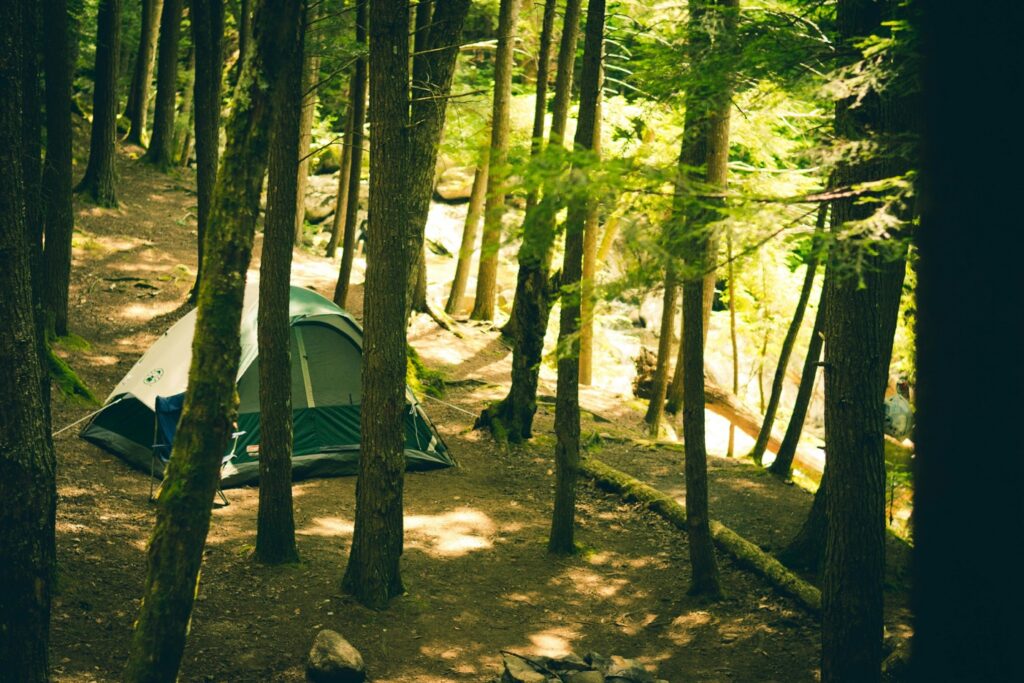
Practical Safety for Campers
Beyond legal compliance, responsible gun handling at camp protects everyone:
- Store firearms securely around children using hard cases with cable locks
- Do not mix alcohol or drugs with firearms—if you’re drinking around the fire at night, lock the gun away
- Maintain positive control at all times; never leave a handgun on a tailgate or around the campsite unattended
- In your tent, keep firearms in a holster or secured container for quick access if needed
- Carry a flashlight—campfire lighting destroys night vision and makes threat assessment difficult
Strangers can enter even remote campsites, and maintaining security over your weapon prevents theft and accidents.
Carrying a Gun While Hiking and Backpacking in Arizona
In the world of hiking and backpacking, especially within the global community of outdoor enthusiasts, the majority of hikers do not carry firearms, citing the low likelihood of encountering dangerous situations. However, some hikers feel safer carrying a gun, believing it provides a sense of security against potential threats. Carrying firearms can also affect the social dynamics and interactions on the trail, as people from around the world come together and share experiences.
You may generally hike or backpack with a lawfully possessed firearm in Arizona—but the trail location and land ownership can quickly change the rules.
Open Carry on Trails
Open carry while hiking is commonly legal on state lands, national forests, and most BLM trails. This includes:
- Holstered handgun on the hip
- Chest-rig pistol (useful when wearing a backpack with a waist belt)
- Slung rifle or shotgun
Hikers may wear their firearm on the waist, chest, or in a specific holster to maximize accessibility and comfort. Some holster positions or techniques allow for drawing or operating a firearm with one hand, which is important for quick access in high-stress situations. Pocket carry is also an option, as small firearms or magazines can be conveniently carried in a pocket or small compartment for accessibility and discretion. Concealed carry options for hikers should prioritize comfort, firearm retention, and immediate access to the gun. Many hikers carry firearms in specialized packs or pouches designed for concealed carry to ensure comfort and accessibility. Compact or sub-compact handguns are common choices among hikers due to their lightweight and ease of concealment.
Many hikers prefer a chest rig because traditional hip carry can be incompatible with a pack’s waist straps. Others use a velcro attached holster on their chest straps or even carry in a fanny pack for concealed options.
Concealed Carry on Popular Trails
On popular Arizona trails like Camelback Mountain in Phoenix, Piestewa Peak, South Mountain, or the Superstition Wilderness, adults 21 and older can usually carry concealed without a permit.
City or park ordinances may affect where firearms can be brought inside certain developed facilities or posted areas near trailheads. Always verify before you head out, especially on trails that fall within municipal boundaries or pass through areas with special designations.
National Monuments and Mixed Jurisdictions
While you may carry on many national forest and BLM trails, national monuments along or near those trails may have separate rules. Hikers should confirm regulations before entering areas like:
- Organ Pipe Cactus National Monument
- Canyon de Chelly National Monument
- Montezuma Castle National Monument
Some trails, like portions of the Appalachian Trail in other states, pass through multiple jurisdictions—Arizona’s trails can present similar challenges with tribal, state, and federal lands intersecting.
Social and Practical Considerations
Carrying on crowded trails near town requires awareness beyond legal requirements:
- Open carry visibility may alarm or scare other hikers who aren’t accustomed to seeing firearms, and some hikers report feeling intimidated by the presence of firearms carried by others, which can alter the social dynamics of the trail.
- You remain responsible for maintaining full control of your weapon while climbing, scrambling, or using trekking poles.
- A secure holster is essential—you don’t want a gun to fall or become dislodged while navigating technical terrain.
- Some hikers carry bear spray or pepper spray in grizzly country or areas with mountain lions, in addition to or instead of firearms. Many outdoor enthusiasts feel safer using non-lethal options like bear spray for personal protection, and some hikers prefer non-lethal options, such as bear spray, for protection against wildlife.
Situational awareness and anticipation are key to avoiding dangerous encounters in the outdoors, and many outdoor enthusiasts believe that these skills are more effective for safety than carrying a firearm. In potentially dangerous situations, it is important to stay calm and at rest, rather than reacting aggressively, to maintain mental clarity and make better decisions.
One source notes that when hiking with a backpack featuring a waist belt, traditional hip carry may be incompatible with the equipment, making chest rigs or shoulder holster options more practical.
Before carrying on any trail, research the specific trailhead and managing agency website (USFS, BLM, NPS, Maricopa County Parks, or others). This verification helps you avoid inadvertently violating site-specific firearm rules that could lead to trouble.
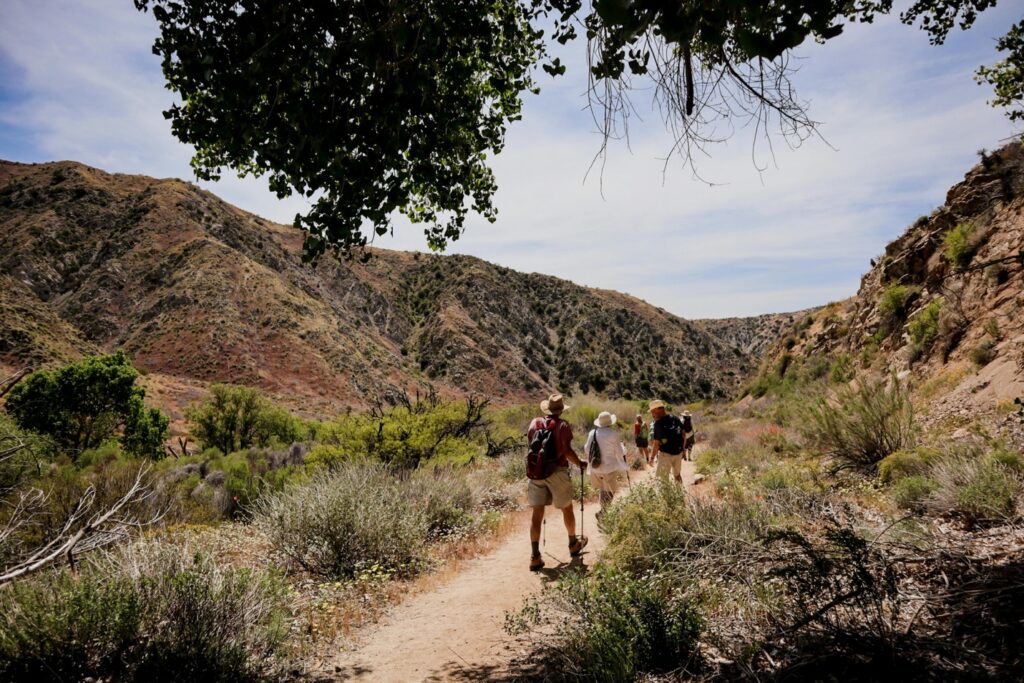
Special Areas: Tribal Lands, Cities, and School Zones
Certain locations in Arizona are governed by different sovereigns or special statutes. Gun rules can change quickly when you cross invisible boundaries, and a mistake about jurisdiction can lead to serious charges.
Tribal Lands
Tribal lands in Arizona are sovereign territories with their own firearm ordinances. Major tribal nations include:
- Navajo Nation
- Tohono O’odham Nation
- Hopi Tribe
- Salt River Pima-Maricopa Indian Community
- Gila River Indian Community
Visitors may face tribal citations, weapon confiscation, or arrest for violating tribal firearms rules—even if Arizona state law would otherwise allow carry. If your trail crosses onto reservation land, you’re subject to that tribe’s laws. This represents a point where many hikers and campers get surprised by regulations they didn’t know existed.
Cities and Towns
Many Arizona cities and towns—including Phoenix, Mesa, Tucson, and Flagstaff—must generally follow state preemption on firearms, meaning they cannot broadly prohibit lawful carry. However, municipalities can still:
- Post certain municipal buildings and facilities as weapon-free zones
- Enforce disorderly conduct or threats statutes if someone brandishes or mishandles a gun in public
- Regulate discharge of firearms within city limits
Carrying on public transportation within cities may have additional rules. Using training and practice to maintain proper muzzle discipline and trigger discipline prevents the kind of conduct that draws law enforcement attention.
School Zones
Arizona school grounds are heavily restricted under both state and federal law. Firearms on K-12 school premises and in school parking lots are tightly controlled, with limited exceptions.
This creates practical problems for outdoor enthusiasts:
- Hiking routes that pass near schools or across school property may require leaving firearms at home or locked off-site
- Federal “gun-free school zone” laws can apply within 1,000 feet of some school properties
- People walking or running nearby trails with a firearm may inadvertently violate these laws
If you regularly pass schools while armed—for instance, on an urban trail that routes near school grounds—get legal advice about your specific situation. The fear of federal prosecution is well-founded in these circumstances.
The bottom line: Mistaken assumptions about jurisdiction—thinking you’re on BLM land when you’ve crossed onto tribal, school, or other restricted property—can lead to serious misdemeanor or felony charges in Arizona courts.
Self-Defense, Use of Force, and Criminal Liability in Arizona
Being allowed to carry a firearm outdoors is different from being justified in using it. Arizona’s self-defense laws are complex, and misunderstanding them can turn you from a person exercising constitutional rights into a defendant facing aggravated assault charges.
Arizona’s Justification Statutes
Arizona law recognizes justification for the use of force under A.R.S. § 13-404 (threat or use of physical force) and A.R.S. § 13-405 (use of deadly force). Key principles include:
- Deadly force may be used to counter an imminent threat of death or serious physical injury
- The perception of danger must be reasonable under the circumstances
- You cannot use deadly force against a threat that doesn’t warrant it—seeing an animal at a distance on a trail doesn’t justify shooting
Arizona has a form of “stand your ground” and generally imposes no duty to retreat in many situations. However, this doesn’t mean anything goes.
What Can Still Get You Charged
Even with broad self-defense rights, certain conduct can result in criminal charges:
| Conduct | Potential Charges |
| Firing warning shots across a busy campground | Aggravated assault, disorderly conduct, endangerment |
| Shooting at a non-aggressive animal near a campground | Criminal wildlife violations, endangerment |
| Brandishing a firearm without justification | Disorderly conduct, threatening or intimidating |
| Negligent discharge that could hurt a human | Endangerment, negligent discharge |
Wildlife encounters require particular care. If an animal isn’t actively attacking—if you just heard something in the brush or see a bear in the distance—shooting may create more legal danger for you than the animal posed.
Investigation and Arrest
Even clearly defensive shootings in isolated areas—remote trails, dispersed campsites—are investigated by law enforcement. Hikers or hunters may be:
- Detained and questioned at the scene
- Arrested and transported
- Interviewed at length before facts are sorted out
- Charged pending investigation
The body of evidence matters, and what you say to investigators can affect your case. Anyone who has displayed, fired, or used a gun in any disputed outdoor encounter should contact a criminal defense attorney immediately. Early representation and confidentiality protect your rights when the dead of night encounter becomes a daylight investigation.
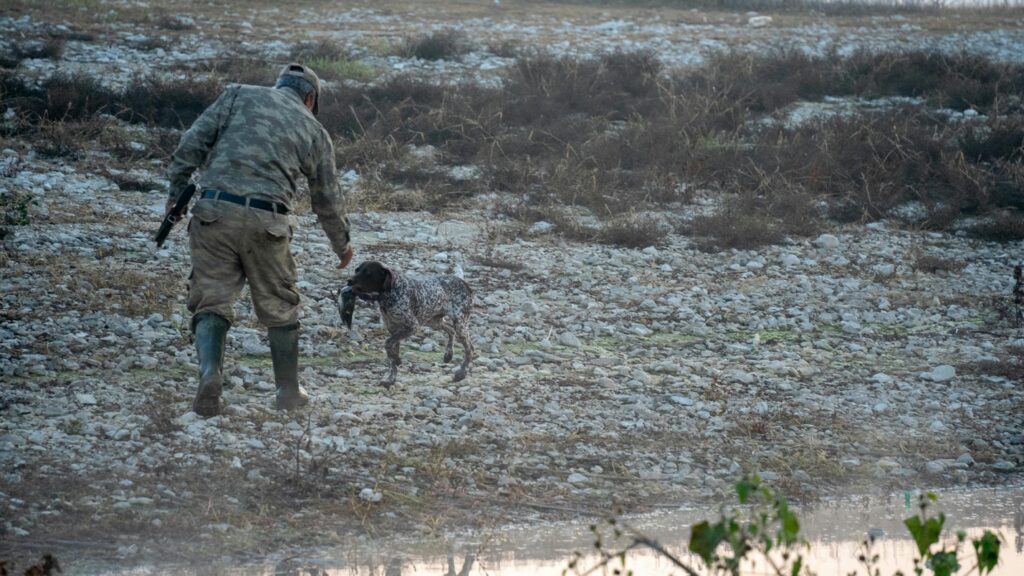
Frequently Asked Questions
Do I need an Arizona Concealed Weapons Permit to carry a handgun on a hike?
Most adults 21 and older do not need a permit for concealed carry in Arizona, including while hiking or backpacking. The state’s constitutional carry law allows qualified adults to carry without completing any permit class or application process.
However, an Arizona CWP can still provide benefits. It may offer exemptions from certain federal gun-free school zone restrictions and is useful when traveling to states that have reciprocity with Arizona. People who regularly take outdoor trips across state lines should consult an attorney about reciprocity rules and out-of-state requirements—what’s legal in Arizona may be a felony in another state.
Can I carry a gun in my tent or RV at an Arizona campground?
Your tent or RV is generally treated like a temporary residence in Arizona. Lawful possession of a firearm inside it is usually allowed, just as it would be in your home.
That said, private campgrounds and RV parks may adopt rules limiting open display or unsafe handling. They can ask guests to leave for violations of their policies. When you check in or reserve a site ahead of time, review campground terms and any posted firearm notices to avoid disputes.
Is it legal to target shoot near my campsite on Arizona public land?
Recreational shooting is allowed in many parts of Arizona’s national forests and BLM lands, but specific rules apply:
- You must have a safe backstop
- Maintain required distances from roads and structures
- Follow all fire restrictions during dry periods
- Not shoot across roads or trails
Discharging firearms is typically illegal in developed campgrounds, near recreation facilities, and in Arizona State Parks. Before setting up any informal shooting area near camp, check with the relevant national forest ranger district, BLM field office, or state park office. One pull of the trigger in the wrong spot can result in citations or more serious charges.
What should I do if law enforcement contacts me about my gun while hunting or hiking?
If a law enforcement officer or Game and Fish officer approaches you about your firearm:
- Remain calm and keep your hands visible
- Don’t grab for your weapon or make sudden movements
- Follow all lawful instructions
- Provide required identification and basic information
- Politely request to speak with an attorney before answering detailed questions about how or why the firearm was used or displayed
You are not required to answer investigative questions that might incriminate you. If you’re facing a citation, arrest, or investigation related to outdoor gun use, contact JacksonWhite’s criminal defense team as soon as possible to discuss next steps and file any time-sensitive motions.
How JacksonWhite Can Help if You Face Gun Charges from an Outdoor Incident
JacksonWhite Attorneys at Law represents clients across Arizona who are facing firearm-related and outdoor-activity-related charges. Our criminal defense team handles matters ranging from simple misconduct involving weapons to serious felony cases arising from hunting, camping, or hiking incidents.
If you have questions about carrying a gun while hunting, camping, or hiking in Arizona—or if you’re already facing charges—contact JacksonWhite’s criminal defense team by phone at(480)745-1639 or through our website to schedule a confidential consultation. The connection between early legal advice and better outcomes is well-established, and our attorneys are ready to help you understand your rights and options.