Facing an aggravated DUI in Mesa can feel overwhelming because the case may move quickly from an arrest to felony court. The right defense strategy can make a meaningful difference, but every outcome depends on the facts, the evidence, and the person’s prior record.
Key Takeaways
Aggravated DUI in Arizona is a felony under A.R.S. § 28-1383, not simply a “more serious” misdemeanor DUI. A top-rated Mesa DUI attorney cannot promise dismissal or reduction, but an experienced DUI attorney can often negotiate reduced DUI charges or penalties depending on the circumstances.
- Arizona law can impose mandatory prison, license revocation, ignition interlock device requirements, fines, drug screening, education, and community service.
- Early legal help can protect defenses, challenge blood tests or breath results, and influence plea discussions before positions harden.
- Reductions may include fewer counts, a class 6 felony, an undesignated offense, standard DUI, extreme DUI, or in rare cases reckless driving.
- Contact the JacksonWhite criminal defense team for a free case evaluation instead of relying on general information.
What Is an Aggravated DUI Under Arizona Law?
An aggravated DUI is a felony form of driving under the influence. It differs from standard DUI under A.R.S. § 28-1381 and extreme DUI under A.R.S. § 28-1382 because the aggravating circumstance-not necessarily the alcohol level-raises the case into felony jurisdiction.
In Arizona, an aggravated DUI can occur if a driver:
- Has a suspended, revoked, canceled, or restricted license;
- Has a third DUI offense within 84 months;
- Has a child under 15 in the vehicle;
- Is required to have an ignition interlock device;
- Is driving the wrong way on a highway.
The blood alcohol concentration (BAC) level is not a factor in determining whether a DUI is aggravated in Arizona; a driver can be charged with an aggravated DUI regardless of their BAC if the State can prove impairment or another DUI basis plus a statutory aggravator. Most aggravated DUI offenses are class 4 felonies, while a DUI with a child under 15 is often a class 6 felony, which may carry different sentencing options.

How a Top-Rated Mesa DUI Attorney Can Help Reduce Aggravated DUI Charges
Yes, a top-rated Mesa DUI attorney may help reduce aggravated DUI charges, but no attorney can guarantee a result. A qualified lawyer reviews police reports, body-camera footage, lab records, MVD history, prior conviction documents, and the timeline of the arrest to find leverage.
Plea negotiations can aim to reduce charges to lesser offenses such as reckless driving or a standard misdemeanor, potentially avoiding harsher penalties. In some cases, probation terms can allow for an “undesignated” offense where the charge may be designated as a misdemeanor upon successful completion.
A local attorney’s relationships within the court system can be leveraged for negotiating reduced pleas when evidence is strong enough to prevent dismissal. A Mesa lawyer who regularly appears in Maricopa County Superior Court, Mesa City Court, and nearby courts in Phoenix, Tempe, and Scottsdale can also make better decisions about when to negotiate and when to litigate.
Hiring a qualified DUI attorney can significantly impact the outcome of a DUI case, as they understand the complexities of DUI laws and can navigate the legal system effectively.
Strategies to Challenge the Aggravated DUI Elements
One way to reduce exposure is to challenge the aggravating factor itself. Legal professionals can tailor defense strategies based on specific aggravating factors and the timeline of the arrest.
- If charged with a felony DUI based on a suspended license, an attorney can audit Motor Vehicle Division records to check for proper notification of the suspension.
- A defense may question whether a revoked, canceled, or restricted license was actually in effect on the date of driving.
- Prior DUI offenses within 84 months may be challenged if records are incomplete, out-of-state convictions do not qualify, or dates are wrong.
- In a child-related case, the defense may dispute the child’s age, presence in the car, or whether the defendant was in actual control of the vehicle.
- For ignition interlock device allegations, counsel may ask whether the IID order was active, whether the restriction applied to that vehicle, or whether the person reasonably believed the obligation ended.
- A wrong way allegation may be challenged if signage, roadway design, or officer observations do not support the charge.
- If the aggravator is weakened, the prosecutor may reduce the case to misdemeanors or a less severe felony.
Challenging the Underlying DUI: Stop, Testing, and Impairment
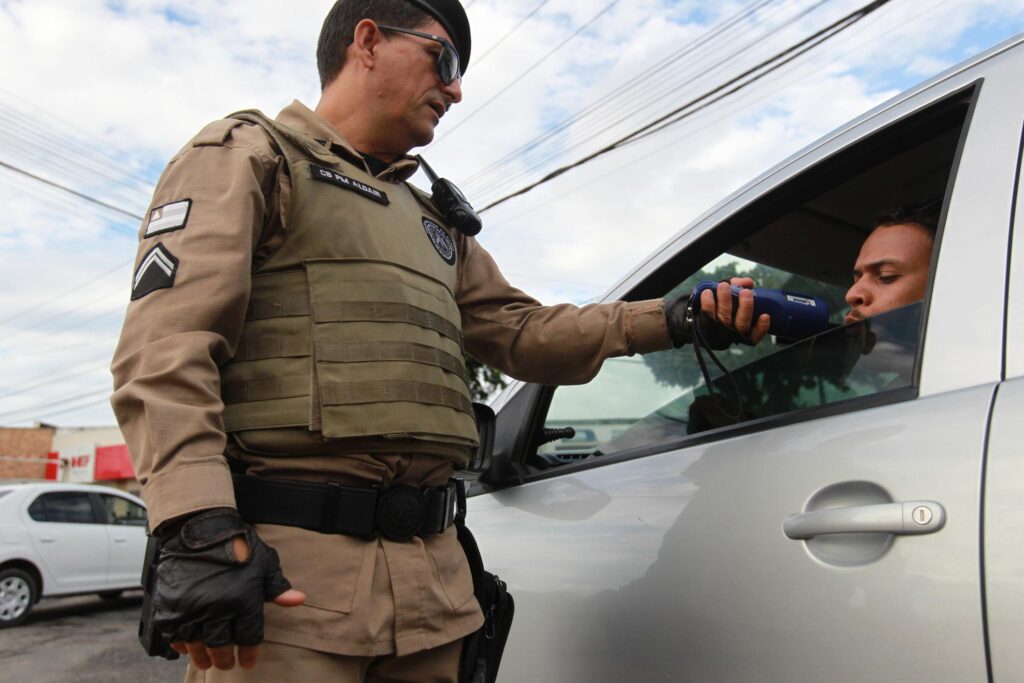
Even if an aggravating factor exists, the state must prove the DUI itself beyond a reasonable doubt. Attorneys scrutinize the initial contact with law enforcement to find violations of constitutional rights.
- Officers must have a valid, articulable reason to initiate a traffic stop; if an attorney proves the stop lacked this basis, all subsequently gathered evidence may be suppressed.
- Making a DUI arrest requires a high threshold of evidence, and defenses often center on improperly administered field sobriety tests that fail to meet National Highway Traffic Safety Administration standards.
- Medical conditions, fatigue, footwear, road surface, or weather may affect field sobriety results.
- Breathalyzer equipment must be properly maintained, calibrated, and operated to yield valid results, and uncalibrated equipment can produce false samples.
- Blood and breath test inaccuracies can occur due to failures in following protocols, which may lead to results being ruled inadmissible.
- Experienced attorneys may secure court orders for independent analyses of blood samples to identify systemic errors in the collection process.
- DUI cases heavily rely on technology, including breathalyzers and blood analysis, which can frequently fail or be mismanaged.
- If law enforcement conducted a custodial interrogation without reading Miranda warnings, any incriminating statements cannot be used against you in court.
- Defendants may also argue that they were not impaired at the time of driving, which can be supported by witness testimony or video evidence.
- Prescription drugs can still lead to aggravated DUI if the State proves the drugs impaired driving.
Possible Outcomes in an Aggravated DUI Case in Arizona
No lawyer can promise a dismissal, acquittal, or specific sentence. Outcomes depend on the law, facts, prosecutor, judge, and prior record.
- Best case: dismissal after an unlawful stop, suppressed testing, or missing proof.
- Trial result: acquittal if the State cannot prove driving, impairment, BAC, or the aggravator.
- Negotiated reduction: non-aggravated DUI, reckless driving, or a standard misdemeanor in limited cases.
- Lesser felony: plea to one class 6 felony instead of class 4 aggravated DUI.
- Sentencing mitigation: reduced prison exposure, probation where legally available, community service, treatment, and manageable payment terms.
- Future relief: certain Arizona convictions may later be set aside, though a set-aside does not erase the conviction.

Penalties for Aggravated DUI vs. Standard and Extreme DUI in Arizona
An aggravated DUI charge in Arizona is classified as a felony, which carries more severe penalties compared to a standard DUI, including mandatory prison time and higher fines. By contrast, standard and extreme DUI cases are usually misdemeanors involving county jail rather than prison.
- An aggravated DUI conviction in Arizona typically results in mandatory prison time, with sentences ranging from 4 months to 3.75 years for a Class 4 Felony, depending on prior offenses and specific circumstances.
- Fines and surcharges for aggravated DUI convictions in Arizona can reach a minimum of $4,700, significantly impacting the financial situation of the convicted individual.
- An aggravated DUI conviction results in a longer license suspension or revocation period, which can severely affect an individual’s ability to work and carry out daily activities.
- Individuals convicted of aggravated DUI in Arizona are required to install an ignition interlock device in their vehicle upon reinstatement of driving privileges, serving as a preventive measure against future offenses.
- Additional penalties may include probation, alcohol treatment, drug screening, community service, court fees, and increased insurance rates.
- Without effective legal representation, individuals facing DUI charges may face severe penalties, including jail time, hefty fines, incarceration, and long-term consequences such as a criminal record.
- A DUI conviction can have lasting effects on various aspects of life, including employment opportunities, insurance rates, and personal relationships, making legal representation crucial for protecting one’s future.
Why Choosing a Top-Rated Mesa DUI Attorney Matters
Aggravated DUI cases in Mesa are prosecuted seriously. The quality of the defense can affect whether the attorney can identify weak proof, prepare persuasive mitigation, and protect the client in court.
A strong defense lawyer understands Arizona law, local plea practices, Maricopa County attorney policies, and how judges tend to handle felony DUI matters. The attorney may also work with toxicologists, investigators, or accident experts when blood tests, breath testing, or vehicle movement are disputed.
Steps to Take Immediately If You Are Charged with Aggravated DUI in Mesa
Timing matters after you are arrested.
- Politely comply with identification requests, but invoke your right to remain silent.
- Do not explain the offense, argue about alcohol, or answer detailed questions without an attorney.
- Keep every citation, release order, MVD notice, and paper in the court box or packet.
- Tell your lawyer if you refused testing, had medical issues, used prescription medication, or were not driving.
- Contact counsel quickly so video, dispatch logs, and testing records can be preserved.

How JacksonWhite’s Criminal Defense Team Approaches Aggravated DUI Cases
The JacksonWhite criminal defense team represents clients facing aggravated DUI, extreme DUI, and related felony DUI charges throughout Mesa and the Phoenix metro area. The firm reviews reports, test results, prior records, and charging documents to identify issues that may support reduction or dismissal.
JacksonWhite attorneys regularly appear in Mesa and Maricopa County courts and understand local procedures, diversion possibilities where applicable, and common plea bargaining patterns. When needed, the firm coordinates with investigators and experts to challenge blood or breath evidence and reconstruct the arrest.
Clients also receive practical guidance about risks, trial, plea offers, driving privileges, work obligations, and how to comply with court conditions.
Frequently Asked Questions About Aggravated DUI in Mesa
Can an aggravated DUI in Arizona ever be reduced to a misdemeanor?
Yes, but only in specific cases. A prosecutor may agree to a misdemeanor DUI if the aggravating factor is weak, the evidence is disputed, or the plea serves justice. No Mesa attorney can promise that result.
Will I lose my job if I am convicted of aggravated DUI in Mesa?
A felony conviction can affect employment, professional licensing, transportation jobs, government work, and security clearance issues. An attorney may help reduce charges or structure a sentence to limit work disruption.
How long does an aggravated DUI stay on my record in Arizona?
An aggravated DUI felony can remain on a criminal record permanently. Arizona may allow a set-aside after the sentence is completed, but that does not erase the conviction.
What if my aggravated DUI involved prescription medication instead of alcohol?
Arizona DUI law applies to prescription drugs if the State proves impairment. A defense may focus on dosage, instructions, tolerance, metabolites, and whether the driver was actually impaired.
Call JacksonWhite for a Confidential Aggravated DUI Consultation
Facing DUI charges in Mesa, Arizona can be a daunting and stressful experience with serious legal consequences. A knowledgeable Mesa DUI attorney can provide crucial assistance by guiding you through the complex legal process, protecting your rights, and developing a strong defense tailored to your specific case. With experience in local courts and Arizona DUI laws, a skilled attorney can help reduce charges, negotiate favorable plea deals, and work to minimize penalties, ultimately aiming to safeguard your future and driving privileges.
If you are facing aggravated DUI, extreme DUI, or other DUI charges in Mesa or elsewhere in Arizona, contact JacksonWhite for legal advice tailored to your situation. Call the JacksonWhite criminal defense team at (480) 475-1639 or visit our website to schedule a confidential consultation.