Arizona has some of the strictest DUI enforcement in the country, and the decision to refuse a breathalyzer test carries significant legal consequences. If you were recently stopped or arrested on suspicion of drunk driving, understanding what happens next is critical to protecting your driving privileges and mounting a strong defense.
Key Takeaways
- Under Arizona’s implied consent laws (A.R.S. §28-1321), refusing a post-arrest breath test triggers a mandatory 12-month license suspension for a first refusal, increased to 24 months if you have a prior refusal or DUI within 84 months.
- Police can usually obtain a warrant for a blood test even if you refuse a breathalyzer test, so refusal does not prevent the state from obtaining BAC evidence.
- Refusing a breathalyzer test can be used as evidence in court to suggest consciousness of guilt, complicating both your criminal case and MVD administrative hearing.
- Refusing a breathalyzer test can lead to longer license suspensions and potential criminal charges, often more severe than those for failing the test.
- Anyone facing an Arizona DUI or breathalyzer refusal should contact JacksonWhite’s DUI and criminal defense team immediately for case-specific legal advice.
Arizona DUI Basics and Implied Consent
Arizona is one of the toughest DUI states in the country, with strict criminal penalties even for first-time offenders. Before you can understand the consequences of breathalyzer refusal, you need to understand what implied consent means under Arizona law.
Under A.R.S. §28-1321, by driving on Arizona roads, you automatically agree in advance to submit to a breath or blood test, or other chemical test, if an officer has reasonable grounds and lawfully arrests you for DUI. Implied consent laws exist in all 50 states, meaning that obtaining a driver’s license means agreeing to chemical testing if lawfully arrested for impaired driving.
Arizona DUI charges fall into two categories:
- Per se DUI: BAC of 0.08 or higher for most drivers, 0.04 for CDL holders
- Impairment to the slightest degree: Under A.R.S. §28-1381(A)(1), you can be charged even below the legal limit if you consumed alcohol and your driving was affected
Key Arizona DUI statutes include:
- A.R.S. §28-1381 (standard DUI)
- A.R.S. §28-1382 (extreme and super extreme DUI)
- A.R.S. §28-1383 (aggravated DUI)
- A.R.S. §28-1321 (implied consent / refusal)
These implied consent laws apply statewide, including Phoenix, Mesa, Chandler, Scottsdale, Gilbert, Tempe, and throughout Maricopa County.
Types of Breath Tests in Arizona: Roadside vs. Official Testing
The term “breath test” can mean different things in Arizona, and the legal consequences depend on precisely what test is being refused.
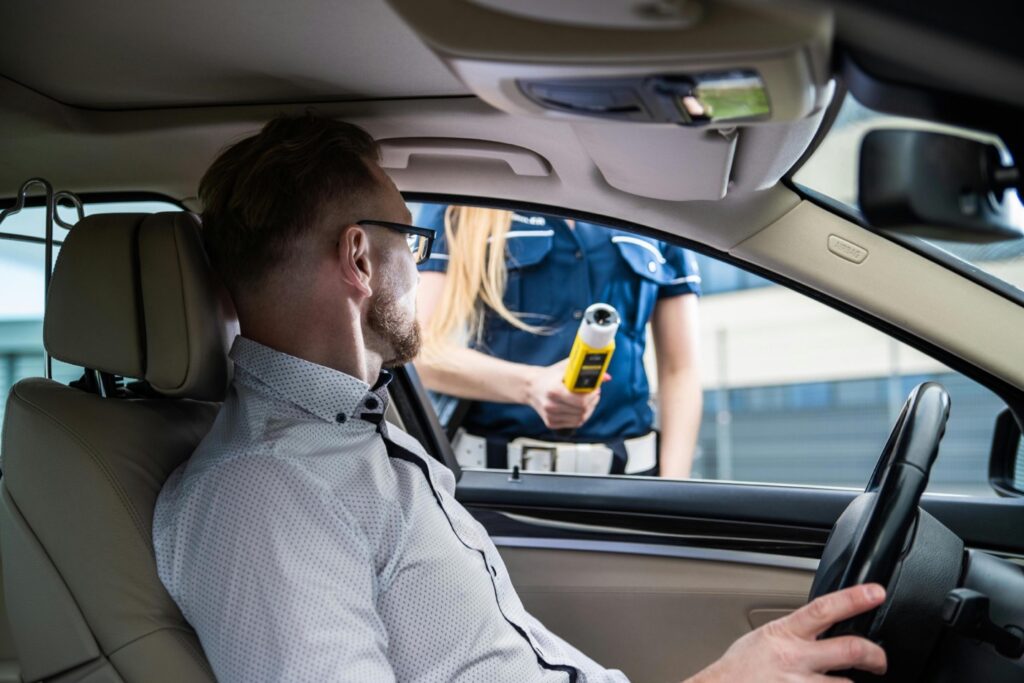
Roadside Preliminary Breath Tests (PBTs) are handheld devices used during a traffic stop to help officers establish probable cause. Refusing a roadside preliminary breath test in many states can be done without immediate penalty, as these are not typically the official implied consent test.
Post-arrest evidentiary breath tests are conducted at the police station using calibrated devices like the Intoxilyzer. This is the test tied to implied consent laws and automatic license suspension if you refuse.
Key distinctions:
- Arizona officers may request breath, blood, or urine testing
- Refusal of evidentiary chemical tests triggers the most severe penalties
- Refusing a roadside PBT is different from refusing the official post-arrest breathalyzer test
This article focuses primarily on the consequences of refusing the evidentiary breath test after arrest.
What Happens Immediately When You Refuse a Breathalyzer Test in Arizona?
Imagine this scenario: you’ve been pulled over during a DUI stop, arrested, and read the implied consent admonition. Now you’re deciding whether to take the breath test.
The police officer must give you the Arizona Implied Consent / Admin Per Se warning, typically read from a standardized form. This warning explains that refusal will lead to mandatory license suspension and that the officer will seek a search warrant for a blood test.
If you still refuse a breathalyzer after the warning:
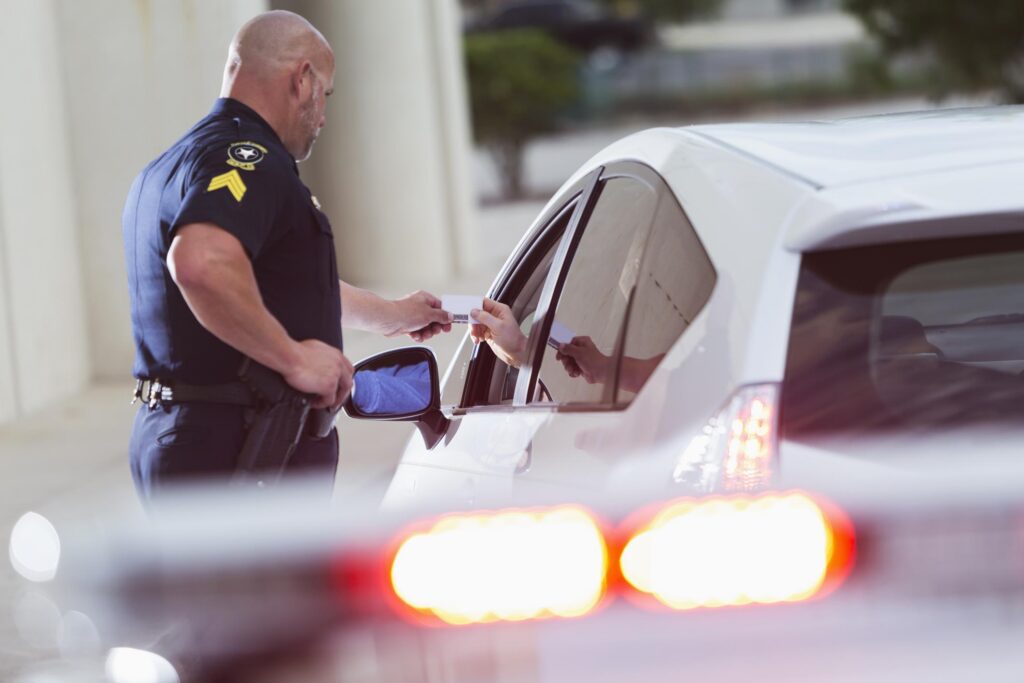
- The officer typically seizes your Arizona driver’s license on the spot
- You receive an order of suspension and a temporary driving permit valid for approximately 15 days
- You will still be booked on DUI charges—refusing a breathalyzer test does not prevent arrest and may accelerate it
- Your refusal is documented in police reports and on MVD forms used at hearings
Many jurisdictions allow officers to obtain electronic warrants to compel a blood test even if a breathalyzer is refused. In many Arizona jurisdictions, officers routinely obtain these warrants within minutes, then transport you for a mandatory blood draw at a hospital or police station despite your earlier breathalyzer refusal.
License Suspension and Other Administrative Penalties for Breathalyzer Refusal
Arizona imposes separate administrative penalties through the Motor Vehicle Division (MVD), independent of the criminal DUI case. This means you face civil penalties regardless of whether you’re ultimately convicted.
First-time refusal: Under A.R.S. §28-1321, refusing typically results in a 12-month driver’s license suspension, even if you avoid a DUI conviction in court. Administrative license suspension for refusal often lasts 6-12 months, regardless of DUI conviction.
Repeat refusal or prior DUI: If you have a prior DUI conviction, license suspension, or refusal within the previous 84 months (7 years), a new breathalyzer refusal typically leads to a 24-month suspension. For comparison, in Iowa, a first-time refusal leads to a one-year suspension, while repeat refusals can result in a two-year suspension.
Additional consequences include:
- This suspension is “administrative per se” and can begin before any court date
- You have approximately 15 days from service of the order to request an MVD hearing—if you do nothing, the suspension begins automatically
- Some jurisdictions require the installation of an Ignition Interlock Device after a refusal, even without a DUI conviction
- In some states, a refusal makes a driver ineligible for a temporary or work-restricted license
- Insurance companies often classify a breathalyzer refusal as high-risk, leading to increased premiums or policy cancellations
Ignition interlock device and restricted license eligibility can be impacted by a refusal versus a test failure, so consult with an attorney about your options.
How Refusing a Breathalyzer Affects Your Criminal DUI Case
Refusing a breathalyzer test does not prevent DUI charges and can actually give prosecutors additional arguments at trial.
Prosecutors may argue that breathalyzer refusal shows consciousness of guilt. Refusing a breathalyzer test can be used as evidence in court to suggest consciousness of guilt, and Arizona courts often allow juries to hear that you refused testing as evidence.
Even without a breath test result, the state can proceed based on:
- Officer observations of your behavior and appearance
- Driving behavior (swerving, speeding, reckless driving)
- Field sobriety tests results
- Bodycam and dashcam footage
- Statements you made during the traffic stop
- Any blood test obtained by warrant
In many states, a refusal to take a breathalyzer test can be used as evidence of guilt in a DUI case, potentially leading to a conviction based on other evidence such as officer observations.
If officers obtain a court-authorized blood test after your refusal and it shows a high BAC, you face both the DUI charges and the full implied consent suspension penalties—essentially getting hit with both consequences.
A refusal can limit some defenses based on breathalyzer accuracy or calibration, but may open other defenses related to whether the implied consent warning was given correctly or whether you actually refused.
Breath Test vs. Blood Test in Arizona DUI Cases
Arizona DUI investigations frequently involve both breath tests and blood tests, and the legal treatment of each matters strategically.
Under current U.S. Supreme Court law and Arizona practice:
- Breath tests can usually be requested incident to a lawful arrest
- Blood tests generally require a warrant or valid exception
If you refuse a breathalyzer test, Arizona officers commonly respond by seeking a search warrant for a blood test, which can produce even stronger, more detailed evidence—including alcohol and some drugs—for the state.
Technical considerations:
Breathalyzers can yield skewed and inaccurate results due to various internal and external factors, including diet changes and metabolism rates. Breathalyzer accuracy can be compromised if the device is not calibrated correctly, leading to false or skewed BAC readings. Certain medical conditions, such as acid reflux, can also affect breathalyzer readings, potentially leading to inaccurate BAC results.
Blood tests must follow strict collection, storage, and lab analysis procedures. A JacksonWhite DUI attorney can often challenge these steps more effectively than a simple breathalyzer reading.
Strategic considerations:
- Refusing the breath test may remove one piece of evidence but often leads to a blood test plus longer license suspensions
- Taking the breath test might avoid refusal penalties but provides a BAC number for prosecutors
Is It Ever a Good Idea to Refuse a Breathalyzer Test in Arizona?
Important disclaimer: The “right” choice is highly fact-specific and depends on your circumstances. This section should not be treated as one-size-fits-all advice. Consult an Arizona DUI lawyer as soon as possible.
Scenarios where refusal might help defensively:
- No crash or accident occurred
- Minimal driving evidence available
- Officers have weak field sobriety observations
- Making it harder for the state to prove impairment without a BAC number
Scenarios where refusal may be especially risky:
- Prior DUIs within 7 years
- Commercial driver’s license holders
- Accidents involving injuries or minors in the vehicle
- Situations where aggravated DUI charges are possible
If you are confident you are under the legal limit, submitting to a breath test may avoid the harsh implied consent suspension and provide evidence supporting your defense—but this is always a judgment call in real time.
Once under investigation, the safest move is to politely assert your right to speak with an attorney and avoid making incriminating statements while you wait for legal guidance.
Defenses and Strategies in Arizona Breathalyzer Refusal Cases
JacksonWhite is an Arizona law firm that defends DUI and breathalyzer refusal cases statewide, and a tailored defense strategy is essential for every case.
Potential procedural defenses:
- Officer failed to properly explain implied consent rights
- Confusing or incorrect warnings were given
- Officer did not have reasonable grounds for the arrest
- Required Arizona MVD and statutory procedures were not followed
Factual disputes that may arise:
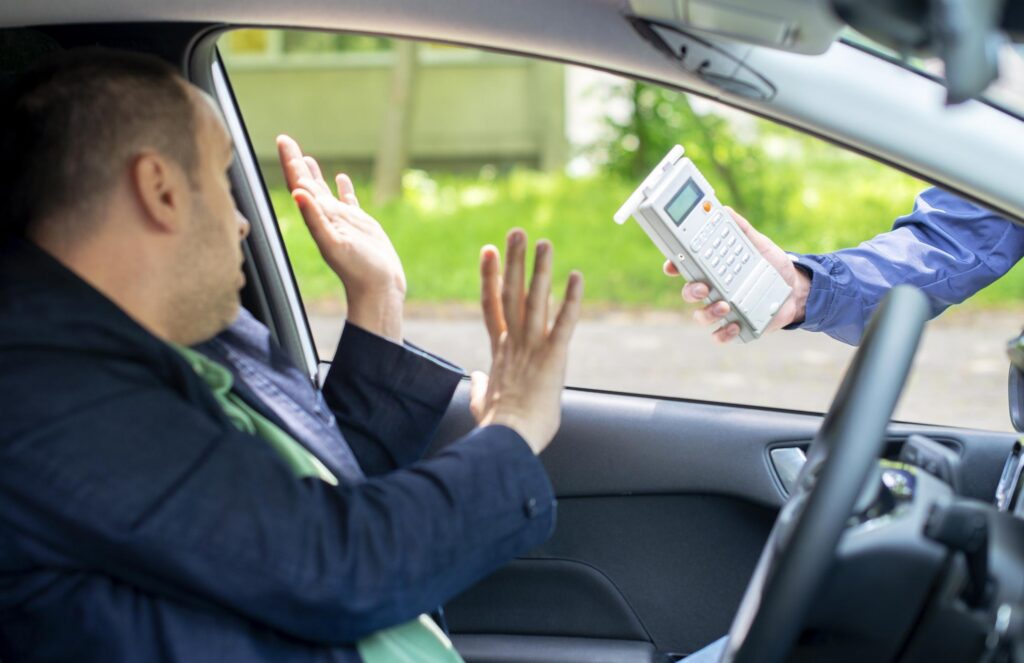
- Legitimate medical issues may physically prevent someone from providing an adequate breath sample
- Language barriers affected understanding
- Confusion over multiple test requests
- Equipment malfunction
A JacksonWhite DUI attorney can request and review all relevant records: police reports, bodycam and dashcam video, MVD documents, implied consent forms, and any lab records related to a blood test obtained after refusal.
Challenging the administrative license suspension at an MVD hearing—including cross-examining the officer and arguing implied consent requirements were not met—can preserve or restore driving privileges.
What to Do If You Have Already Refused a Breathalyzer Test in Arizona
If you’ve already been arrested and refused a breathalyzer test in Phoenix or elsewhere in Arizona, here are your immediate next steps:
- Review your paperwork carefully: Read the Admin Per Se / Implied Consent Affidavit and temporary driving permit, noting all deadlines for requesting an MVD hearing
- Contact an experienced Arizona DUI attorney immediately: JacksonWhite can file hearing requests within the required time and begin preserving evidence such as video footage and witness statements
- Document your memory: Write down everything about the stop and arrest—what the officer said, whether implied consent was read, whether you asked for an attorney—while details are fresh
- Act quickly: Early intervention by counsel can impact both the criminal case and administrative license suspension; delay can permanently limit available defenses

FAQ: Refusing a Breathalyzer Test in Arizona
Can I talk to an attorney before deciding whether to take a breathalyzer test in Arizona?
In Arizona, you generally have a limited right to consult with an attorney before deciding on a breath, blood, or urine test, as long as doing so does not unreasonably delay the investigation. If you request an attorney, officers must usually give you a reasonable opportunity to make a phone call, but they are not required to wait indefinitely and may treat prolonged delay or non-cooperation as a refusal. The safest approach is to politely ask to speak with a lawyer as soon as you are arrested, but understand you must follow lawful instructions while the officer determines how to proceed. Consulting with an experienced OWI attorney is crucial if you have submitted to or refused a breathalyzer test, as they can help navigate the legal complexities.
Does refusing a breathalyzer test affect a commercial driver’s license (CDL) differently?
For CDL holders, Arizona and federal regulations impose stricter standards, including lower BAC limits (0.04) and more severe consequences for DUI-related suspensions and refusals. A breathalyzer refusal can trigger disqualification of CDL privileges in addition to the standard implied consent suspension, which can be devastating for professional drivers. CDL drivers should contact JacksonWhite immediately after any DUI or refusal arrest to evaluate options for protecting both their personal license and their livelihood.
What if I physically could not blow into the breathalyzer device?
Arizona law distinguishes between a true refusal and an inability to provide a breath sample due to a legitimate medical condition such as severe asthma, lung disease, or recent surgery. Officers may view multiple failed attempts as a refusal unless there is clear evidence of a medical limitation, so mention any health issues at the time and later provide documentation. A JacksonWhite attorney can help gather medical records and testimony to argue at an MVD hearing or in court that there was no intentional refusal, potentially avoiding or reducing a suspension.
Can a breathalyzer refusal be expunged or set aside in Arizona?
Arizona’s options for expungement and set-asides are limited and primarily apply to criminal convictions, not administrative MVD actions like implied consent suspensions. While the DUI charge itself might later be reduced, dismissed, or set aside, the fact of a prior refusal and related MVD history can still appear on driver records for many years. The best way to protect your record is to act quickly after an arrest, challenge the suspension where possible, and work with criminal defense attorneys to pursue the most favorable outcome.
How soon should I contact JacksonWhite after a breathalyzer refusal arrest?
Contact JacksonWhite as soon as possible—ideally within a few days of your arrest—because deadlines for requesting MVD hearings and preserving evidence come up quickly (often within 15 days). Early involvement allows the JacksonWhite DUI and criminal defense team to file necessary paperwork, obtain police reports and video, and begin building both a criminal defense and administrative defense strategy. Legal representation is essential after refusing a breathalyzer test, as an attorney can contest the suspension of your license and provide a strong defense against any DUI charges.
Why Work With JacksonWhite on an Arizona DUI or Breathalyzer Refusal Case?
JacksonWhite is an established Arizona law firm with a dedicated DUI and criminal defense team focused on cases involving breathalyzer tests, blood tests, and implied consent laws. The firm handles DUI cases across Maricopa County and other Arizona counties and surrounding communities.
JacksonWhite DUI attorneys regularly challenge breath test and blood test evidence, implied consent procedures, and MVD suspensions, working to minimize jail time, fines, and license consequences where possible. The firm’s client-centered approach means clear explanations of Arizona DUI law, honest assessment of risks and options, and consistent communication throughout your case.
If you’re facing a possible DUI charge or breathalyzer refusal in Arizona, contact the JacksonWhite DUI team today at (480) 745-1639 to schedule a confidential consultation.