If you’ve been arrested for driving under the influence in Arizona, one of your first concerns is likely whether your license will be suspended. The short answer is yes—Arizona imposes some of the strictest drunk driving penalties in the country, and losing your driving privileges is a near-certain consequence. However, understanding exactly how the process works can help you protect your ability to drive for work, family obligations, and medical appointments.
Key Takeaways
- Arizona has two separate license actions after a DUI: an immediate MVD administrative suspension triggered by your arrest and a possible court-ordered suspension if you are convicted in criminal court.
- A first offense typically results in a 90-day MVD suspension, and for a first DUI conviction, a driver may lose their license for 45 days and could then be eligible for license reinstatement.
- You have only 15 days from your arrest to request an MVD hearing to fight the administrative suspension—missing this deadline means automatic suspension begins on day 16.
- Outcomes depend heavily on your blood alcohol content level, prior DUI convictions, and whether you refused chemical testing.
- A JacksonWhite DUI attorney can help you navigate both the MVD and criminal court processes to protect your driving privileges.
How Arizona Defines DUI and Related Offenses
Whether you lose your driver’s license starts with which DUI statute you’re charged under and your chemical test results. Arizona law recognizes several categories of DUI offenses:
- A.R.S. § 28-1381 (Standard DUI): Covers driving while “impaired to the slightest degree” by alcohol or drugs, or with a blood alcohol concentration of 0.08% or higher
- A.R.S. § 28-1382 (Extreme and Super Extreme DUI): Applies when BAC reaches 0.15% or higher (Extreme) or 0.20% or higher (Super Extreme)
- A.R.S. § 28-1383 (Aggravated DUI): A felony charge for third DUI offenses within 84 months, DUI with a suspended license, or DUI with a minor under 15 in the vehicle
You can face license consequences even with a BAC below 0.08% if the police officer and evidence support impairment to the slightest degree. DUI charges can also be based on illegal drugs, prescription medication, or a combination of substances. Under Arizona’s implied consent law, simply driving in Arizona means you’ve agreed to submit to a blood test or breath test if lawfully arrested for DUI.

Two Ways You Can Lose Your License After an Arizona DUI
Arizona DUI cases create two separate tracks that can each result in your license being suspended. Consequences for a license suspension after a DUI conviction involve immediate administrative actions by the MVD and separate court-ordered criminal penalties imposed by a judge upon conviction.
The MVD suspension is triggered by your arrest and test result or refusal, regardless of whether you’re later convicted in criminal court. Administrative suspensions are triggered immediately upon arrest if a chemical test is failed or refused. Meanwhile, the criminal court can impose its own driver’s license suspension upon conviction. These suspensions can run concurrently or consecutively, affecting your total time without full driving privileges.
Arizona MVD Administrative License Suspension After DUI Arrest
Immediately after your DUI arrest, the arresting officer will typically confiscate your physical license and issue you a temporary permit valid for 15 days. You’ll also receive a pink “Admin Per Se/Implied Consent” notice (form DS-22) informing you of the pending suspension.
For a first offense where you consent to testing and your BAC is 0.08% or higher (0.04% for a commercial motor vehicle driver), the MVD imposes a 90-day administrative suspension. You have a limited 15-day deadline from the date you receive notice to request an administrative hearing to challenge this suspension.
If you do not request a hearing in time, the suspension period automatically begins on the 16th day—even if your criminal charge hasn’t been resolved. At an MVD hearing, an administrative law judge reviews whether the traffic stop was legal, whether the officer had reasonable grounds for arrest, and whether testing procedures were followed properly. If you win, the MVD may set aside the suspension entirely.
Driving with a suspended license after a DUI can lead to mandatory jail time and an additional year of suspension, so understanding these deadlines is critical.
License Consequences for DUI Test Refusal (Implied Consent)
If a driver refuses the breath, blood, or urine test after a lawful DUI arrest, Arizona’s implied consent law triggers automatic and harsher consequences. For a first refusal, the MVD typically imposes a 1-year license suspension—significantly longer than the 90-day suspension for a failed test.
A second refusal within 84 months usually leads to a 2-year suspension, which can severely impact employment and family responsibilities. You still have a short 15-day window to request an MVD implied consent hearing to contest whether the officer followed proper procedures.
During much of a refusal suspension, driving privileges are extremely limited. Eligibility for restricted or temporary licenses depends on compliance with MVD requirements and ignition interlock installation after an initial hard suspension period.

Criminal Court DUI Conviction and Court-Ordered License Penalties
Court-ordered criminal penalties are imposed by a judge upon conviction for a DUI and are separate from any MVD action. A first DUI conviction can result in a license suspension of 45 days, often structured as 30 days of absolute “hard” suspension with no driving allowed, followed by restricted driving for work, school, or alcohol treatment if requirements are met.
Extreme DUI (0.15% to 0.199% BAC) and Super Extreme DUI (0.20%+ BAC) carry longer suspensions and extended ignition interlock periods. Aggravated DUI—such as a third conviction within 84 months or DUI with prior offenses involving a revoked license—is a felony resulting in license revocation and stricter reinstatement requirements.
Courts can also order community service, probation, alcohol or drug treatment programs, and jail time. Completion of these conditions is often required before full driving privileges return. A person convicted of a reduced charge like reckless driving may face lesser license penalties, making early defense work critical to protecting your driving record.
Length of Suspension for First, Second, and Repeat DUIs in Arizona
For a first DUI offense, the license suspension can last from 90 days to 2 years, depending on prior offenses and incident severity. Here’s a general breakdown:
| Offense | MVD Suspension | Court Suspension | IID Requirement |
| First (BAC 0.08%+) | 90 days | 45 days minimum | 12+ months |
| First (Refusal) | 1 year | 45 days minimum | 12+ months |
| Second (84 months) | 1 year | 1 year revocation | 3 years after reinstatement |
| Third/Aggravated | 3+ years | Multi-year revocation | Extended period |
A second conviction carries a minimum suspension of 45 days, but with additional requirements for an ignition interlock device for three years after reinstatement. A third DUI offense can lead to a permanent revocation of the driver’s license, with the possibility of requesting reconsideration two years after the revocation. Prior out-of-state DUI convictions, accidents, or injuries may increase suspension length.
Restricted, Special, and Ignition Interlock Licenses in Arizona
Even with your license suspended or revoked, you may qualify for limited driving options. Hardship or restricted licenses may be available during a DUI suspension, allowing driving for essential purposes like work and medical appointments.
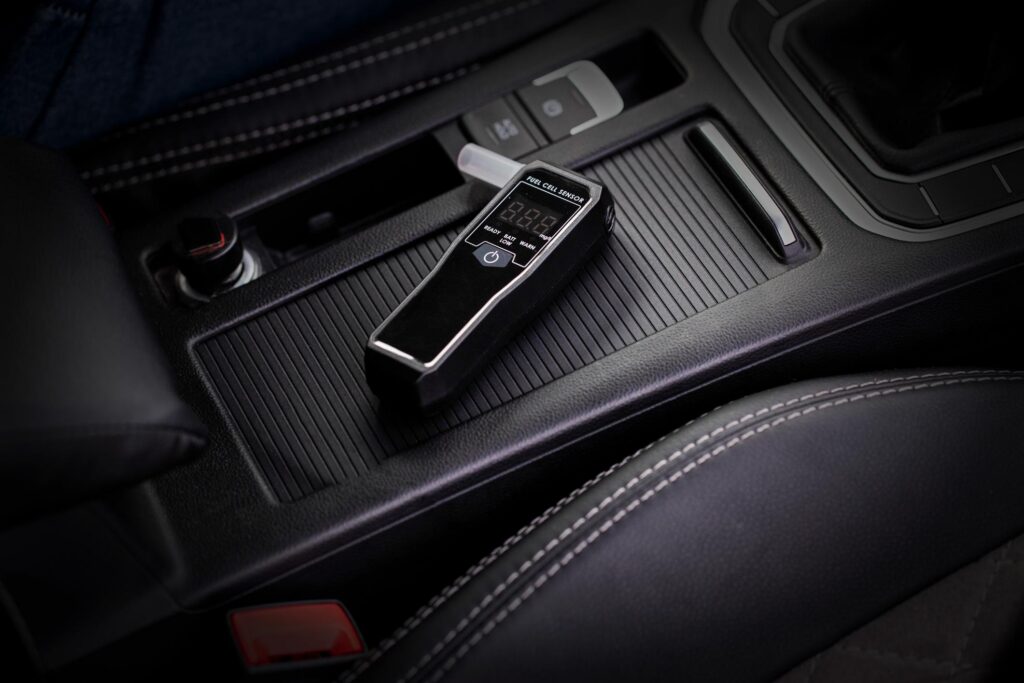
An Ignition Interlock Device (IID) is a breath analyzer connected to a vehicle’s ignition system that prevents the car from starting if alcohol is detected in the driver’s breath. After a DUI conviction, individuals may be required to install an ignition interlock device in any vehicle they drive, with testing required every time they start the vehicle.
The duration for which an ignition interlock device must be used varies based on the number of prior DUI offenses, with requirements ranging from one year after a first offense to three years after a subsequent offense. Violations—failed tests, tampering, or missed calibrations—can extend the interlock period.
Individuals convicted of DUI may apply for a provisional license, which allows them to drive under specific restrictions while their license is suspended. Commercial driver’s license holders face separate disqualifications and may not be eligible for restricted commercial driving privileges.
How to Reinstate Your Arizona Driver’s License After a DUI
Reinstating a driver’s license after a DUI is not automatic and generally requires proactive steps through the MVD. Common requirements for license reinstatement after a DUI include:
- Paying all MVD reinstatement fees (reinstatement fees can range from $25 to $500 or more)
- Filing proof of SR-22 insurance, which must be maintained for three years
- Completing DUI education or treatment programs
- Submitting an Alcohol/Drug Assessment/Treatment Report from a certified agency
- Installing an ignition interlock device if required
Outstanding court fines, probation violations, or unresolved criminal matters can block or delay reinstatement even after your suspension time has passed. Mistakes on paperwork or incomplete treatment evidence can result in continued suspension.
Why Acting Quickly and Getting Legal Help Matters
Many critical decisions affecting your license—like requesting an MVD hearing—must be made within days of arrest. An experienced Arizona DUI lawyer can challenge the traffic stop, arrest procedures, and test results, potentially affecting both your criminal case and MVD suspension.
Legal counsel can represent you at the administrative hearing, negotiate with prosecutors for reduced charges with lesser license penalties, and coordinate strategy to minimize total suspension time. JacksonWhite’s DUI and criminal defense team focuses on Arizona law, local courts, and MVD practices. Don’t ignore notices from MVD or the court—schedule a consultation quickly to understand your specific deadlines.
Frequently Asked Questions about DUI License Suspensions in Arizona
Will my out-of-state license be suspended if I get a DUI in Arizona?
Arizona can suspend your privilege to drive within Arizona even if your license is issued by another state. The department will typically report the action to your home state through the National Driver Register, and your home state may impose its own suspension or penalties. Out-of-state drivers should consult both JacksonWhite about the Arizona case and an attorney in their licensing state.
What happens to my commercial driver’s license (CDL) after an Arizona DUI?
CDL holders face stricter standards. A DUI conviction—even in a personal vehicle—can result in CDL disqualification. Certain convictions and refusals lead to a one-year or lifetime CDL disqualification under federal law, separate from standard penalties. Commercial drivers should seek immediate legal help to protect their CDL status.
Can I drive to work while my license is suspended for DUI in Arizona?
During the initial hard suspension period, driving is not allowed. After that period, some first-time offenders may qualify for a restricted license permitting limited driving to work, school, or treatment if all conditions are met. Eligibility depends on your suspension type, prior history, and compliance with MVD and court order requirements.
Does a reduced charge (like reckless driving) still affect my license in Arizona?
If a DUI charge is reduced to a non-DUI traffic offense, you may avoid some DUI-specific license consequences. However, the administrative MVD suspension based on your original arrest and BAC can still stand unless separately challenged and overturned at an MVD hearing.
Will a DUI-related license suspension show up on my record permanently?
Arizona maintains detailed driving records. DUI-related suspensions and points can remain visible to courts, law enforcement, and insurers for many years. The impact on insurance premiums extends beyond the actual suspension period, especially with multiple incidents within 84 months.
Call JacksonWhite for Help Protecting Your License After an Arizona DUI
Facing a possible DUI in Arizona is stressful, especially when you rely on your license for work, family, and medical appointments. Every case is different, and this article provides general information rather than individualized legal advice. If you’ve been arrested or received an Admin Per Se or Implied Consent notice, contact the JacksonWhite criminal defense team at (480) 745-1639 as soon as possible to schedule a confidential consultation about your Arizona DUI and license status.