If you’re facing a DUI charge in Arizona, one of your most pressing concerns is likely how it will affect your ability to drive. Arizona maintains some of the strictest DUI laws in the nation, and for many convicted drivers, getting back behind the wheel means having an ignition interlock device installed in their vehicle. Understanding what this technology is, how it works, and whether you’ll be required to use one can help you prepare for what lies ahead.
Key Takeaways
- An ignition interlock device is a car breathalyzer wired into your vehicle’s ignition system that prevents the engine from starting if alcohol is detected in your breath sample.
- Arizona DUI convictions typically trigger a mandatory ignition interlock program as a condition of regaining or maintaining driving privileges, and IIDs are often a requirement for license reinstatement and for obtaining a restricted license during a suspension period.
- The device requires an initial test before starting your car and prompts random rolling retest requests while driving to confirm continued sobriety.
- Whether you’ll need an ignition interlock depends on your specific DUI charge, prior history, BAC level, and the results of any chemical test administered during your arrest.
- Studies show that IIDs reduce re-arrest rates for drunk driving by approximately 67% to 75% while they are installed, making them an effective tool for preventing repeat offenses.
- Anyone facing a DUI in Arizona should speak with a JacksonWhite DUI or criminal defense attorney to understand their specific interlock obligations.
What Is an Ignition Interlock Device (IID)?
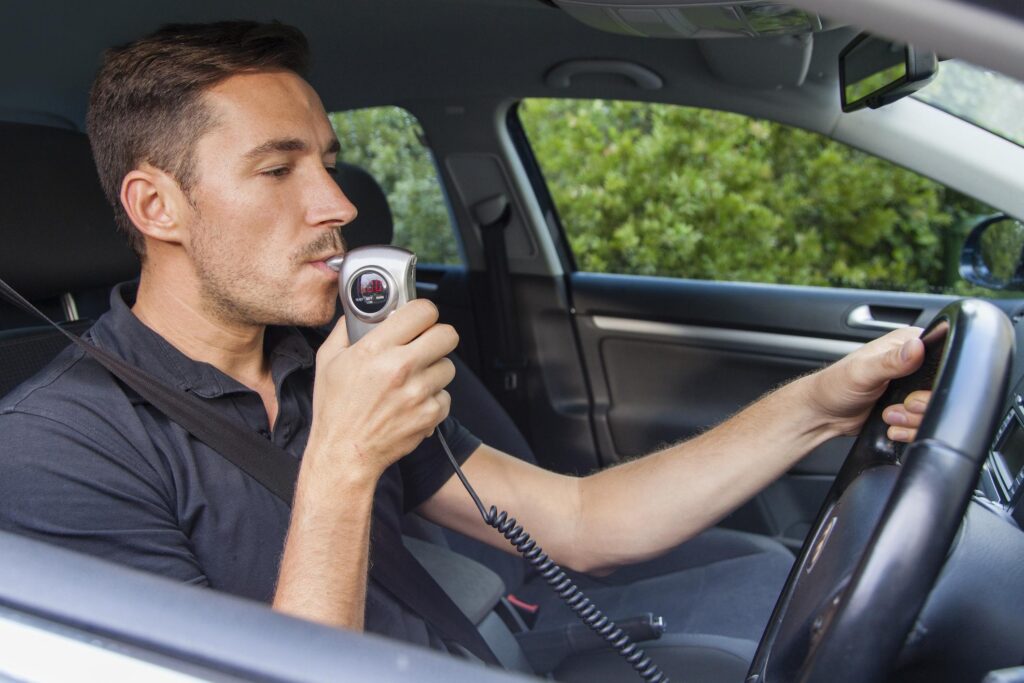
An ignition interlock device (IID) is a breath alcohol monitoring device installed in a vehicle that prevents the engine from starting if the driver’s breath alcohol concentration exceeds a predetermined limit. In simpler terms, it’s a small car breathalyzer wired directly into your vehicle’s ignition system. The device requires the driver to provide a breath sample before the engine can start, measuring the driver’s breath alcohol concentration (BrAC).
You may hear this equipment referred to by several names—ignition interlock device, IID, ignition interlock, or interlock device—but they all describe the same technology commonly referred to as a breath alcohol ignition interlock device. In Arizona, these devices must be approved by the Arizona Department of Transportation (ADOT) through the Motor Vehicle Division (MVD) and installed by a state-certified provider.
The installation of an ignition interlock device is often a legal requirement following a DUI offense, and the device must be certified and functioning properly to meet state regulations. Once an ignition interlock requirement appears on your driver license record, it becomes illegal to drive any motor vehicle that does not have the required device installed during that period.
Main physical components of an IID include:
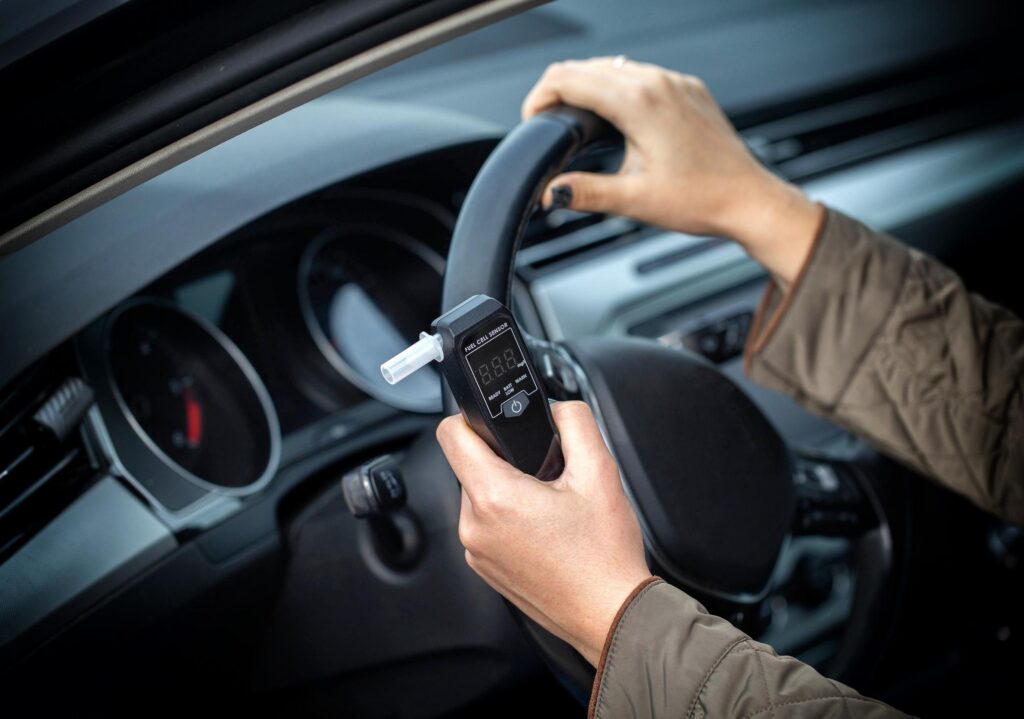
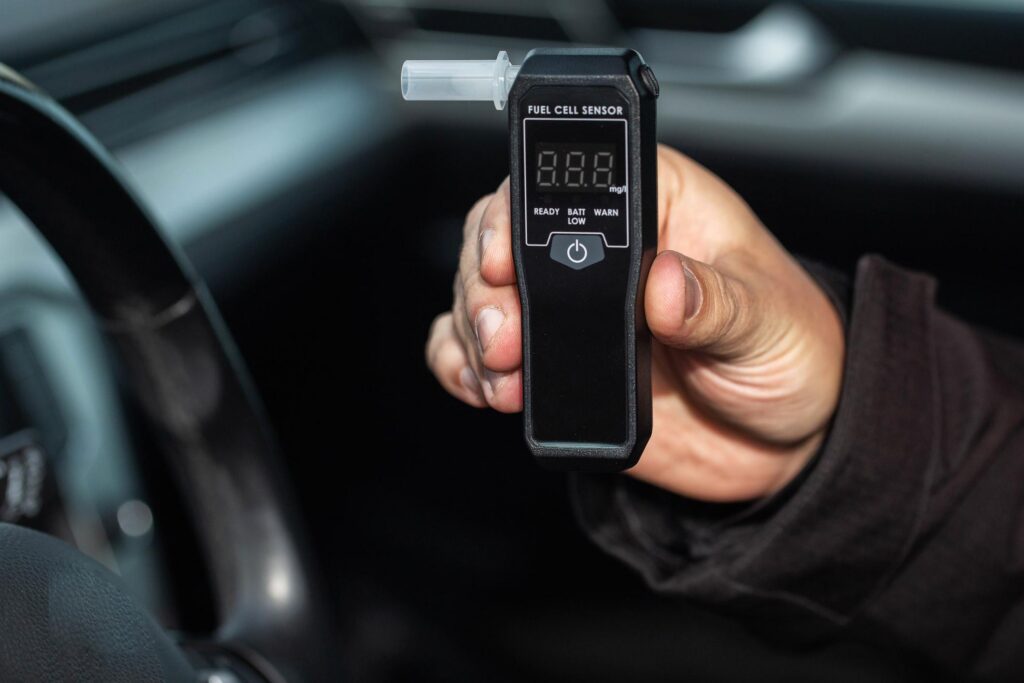
- A handheld handset (roughly smartphone-sized) mounted near the steering wheel with an LCD display
- A disposable or washable mouthpiece for collecting breath samples
- A wiring harness connecting to the ignition, battery, and data logging system
- A tamper-proof control unit installed in the engine compartment
- Modern IID units may include features such as cameras to verify the person providing the breath sample and GPS to record the test location
How Does an Ignition Interlock Device Work in Practice?
Understanding how ignition interlock devices work is essential for anyone who may need to use one. At its core, the ignition interlock system measures breath alcohol concentration before allowing the engine to start and continues monitoring while the vehicle is being driven.
Here’s what a typical Arizona driver experiences when operating a vehicle with an ignition interlock installed:
- Turn the key or press the start button—the handset will beep after a brief warmup period
- Provide an initial breath sample by blowing steadily into the mouthpiece for 4-6 seconds
- Wait for the device to analyze the sample and display a pass or fail result
- If you pass (BrAC below the programmed limit, typically around 0.02), start the vehicle normally
- If you fail, the device prevents the engine from starting and logs the violation
The device logs every test, any failed attempts, skipped tests, and potential tampering. This data is downloaded regularly—typically every 30-90 days—and reported to ADOT/MVD, probation officers, or the court depending on your case. The device requires the driver to provide a breath sample before starting the vehicle, and it may also prompt for additional breath tests during the drive to ensure continued sobriety.
What “ignition interlock device work” means in day-to-day driving:
- You must blow into the device every time you start your car
- Random rolling retests will occur while driving
- All test results are recorded and reported to authorities
- The device monitors for tampering and logs any suspicious activity
- Calibration appointments must be kept to ensure proper functioning
One important safety feature: ignition interlock devices do not shut off a moving car. If you fail a random rolling retest while driving, the device may trigger the horn or lights to alert you, but the engine will not stop. This design prevents dangerous situations on the road.
Initial Tests, Random Rolling Retests, and Chemical Testing
It’s important to understand that interlock testing is different from police chemical testing (blood, breath, or urine) used to prove a DUI charge, though both involve measuring alcohol in the body.
Initial Tests
Initial tests are required when starting the vehicle, where the driver must provide an acceptable breath sample to prove sobriety before the vehicle will start. The device may require you to blow in a specific pattern or hum while blowing to prevent someone else from providing the sample for you. If your breath alcohol content exceeds the set threshold, the device prevents the car from starting.
Random Rolling Retests
While operating your vehicle, the device will periodically request another breath test at random times. Random rolling retests are prompted during the drive to ensure continued sobriety, but they do not shut off the vehicle if missed or failed; drivers are advised to pull over safely to complete these tests. Arizona drivers can expect approximately 4-6 retests during an hour-long trip, occurring every 20-40 minutes.
Missing or failing a random rolling retest does not stall the vehicle, but the event is stored as a violation and may lead to extensions of the ignition interlock program or license consequences.
Chemical Testing Comparison
Law enforcement chemical testing during a DUI arrest differs significantly from IID testing. In Arizona, refusing a chemical test after a DUI arrest triggers its own license suspension under implied consent laws and may still result in an ignition interlock requirement regardless of conviction. Police chemical tests use more precise equipment to establish guilt, while IID tests serve an ongoing monitoring function.
Common driver mistakes that cause false positives or violations:
- Using mouthwash containing alcohol (wait 15-30 minutes and rinse with water)
- Eating certain foods like bread or ripe fruit shortly before testing
- Taking medications with alcohol content
- Not completing the retest within the required 3-5 minute window
- Attempting to have someone else provide the breath sample
Research indicates that approximately 30% of violations stem from non-beverage alcohol sources rather than actual drinking.
When Are Ignition Interlock Devices Required in Arizona?
Arizona has some of the toughest DUI and ignition interlock laws in the country. Since 2013, Arizona has maintained an “all-offender” policy, meaning virtually any DUI conviction requires an ignition interlock as a condition of driving.
Ignition interlock devices are often required for individuals with multiple intoxication-related traffic offenses, and their use may be mandated even after a first offense in some jurisdictions—including Arizona. Individuals with more than one intoxication-related traffic offense must have an ignition interlock device installed prior to reinstating their driving privileges.
Whether you’ll need an ignition interlock depends on several factors:
- Type of DUI charge: Standard DUI (BAC 0.08+), extreme DUI (BAC 0.15-0.199), super extreme DUI (BAC 0.20+), or aggravated DUI
- Prior DUI record: Previous convictions within the past 10 years
- Chemical test results: High BAC readings or refusal to submit to testing
- Aggravating factors: Minors in the vehicle, accidents, or injuries
Common Arizona situations where you will likely need an ignition interlock device:
- First-time DUI conviction with a BAC of 0.08 or higher
- Extreme or super extreme DUI conviction
- Reinstating driving privileges following a license suspension for any influence offense
- Any aggravated DUI involving prior convictions or other enhancing factors
- Refusal to submit to chemical testing during a DUI arrest
The ignition interlock requirement is tied directly to your driver license. Driving without a required device installed—including driving someone else’s car without an IID—can result in new criminal charges under Arizona law, a potentially revoked license, and longer suspension periods.

How Long Will I Need an Ignition Interlock Device?
The duration of your ignition interlock requirement depends primarily on your offense level, BAC, and compliance record. Arizona statutes establish minimum periods that can extend significantly for aggravated offenses or compliance failures.
Typical ignition interlock durations by offense type:
| Offense Type | Minimum IID Period |
| First standard DUI (BAC 0.08-0.149) | 12 months |
| Extreme DUI (BAC 0.15-0.199) | 18 months |
| Super extreme DUI (BAC 0.20+) | 24 months |
| Second offense DUI | Additional 12 months per prior |
| Aggravated DUI (3+ priors) | Up to lifetime |
The ignition interlock clock generally does not start running until the device is installed in an approved vehicle and you are properly licensed under the ignition interlock restriction. If you delay installation, your total time without full driving privileges extends accordingly.
Key factors affecting IID duration:
- Severity of the drunk driving offense and exact statute cited
- Blood alcohol concentration at the time of arrest
- Number of prior DUI or reckless driving convictions
- Compliance record while using the device
- Whether you had a minor in the vehicle or caused an accident
Violations recorded by the device—such as failed tests, tampering, or missed calibration appointments—can cause extensions of at least one year or more. ADOT data indicates that approximately 15% of IID participants have their periods extended due to violations. Courts and ADOT rules change over time, so consult a DUI attorney for the most current information.
What Vehicle Needs to Have the Device Installed and How Is It Installed?
In Arizona, the ignition interlock requirement applies to any motor vehicle that the restricted driver operates, not just a vehicle owned by that person. In some jurisdictions, the ignition interlock device must be installed in any vehicle the individual operates, even if they do not own that vehicle.
If you are under an ignition interlock restriction, you cannot legally drive any car, truck, or other vehicle registered without a properly functioning IID—whether that vehicle is vehicle owned by you, borrowed from a friend, or belongs to your employer.
The Installation Process
When scheduling your installation appointment with a state-approved vendor, here’s what to expect:
- Schedule the appointment: Contact an ADOT-certified ignition interlock provider (there are approximately 18 approved providers statewide)
- Bring required documents: Driver license, vehicle registration, proof of insurance, and payment
- Installation: A technician wires the handset into the ignition (typically takes 30 minutes to 2 hours)
- Calibration: The device is calibrated to the 0.02 threshold required by Arizona
- Training: You’ll receive a demonstration and sign paperwork acknowledging proper use
- Receive documentation: Proof of installation for ADOT/MVD
Installation and ongoing monitoring are handled by private, state-certified ignition interlock manufacturers and providers. These companies send regular data reports to ADOT/MVD and may also report to your probation officer or the court.
If family members share the vehicle with an IID installed, every person who drives must use the ignition interlock correctly. While sharing is permitted, understand that any failed test by another driver still appears in your interlock records.

Costs, Compliance, and What Happens If You Violate Your Ignition Interlock Requirements
The costs associated with ignition interlock device installation can vary significantly among different providers, and specific pricing information is typically not standardized across the industry.
Installation costs for ignition interlock devices may include both the initial setup fee and ongoing monthly service fees, which can vary based on the provider and the state regulations. In some jurisdictions, the total cost of installation and maintenance of an ignition interlock device can range from $70 to $150 for installation, with monthly fees ranging from $60 to $100 thereafter, depending on the provider and local regulations.
Typical cost breakdown:
| Cost Type | Estimated Range |
| Installation | $70-$150 |
| Monthly lease/monitoring | $80-$100 |
| Calibration visits (every 30-90 days) | $25-$50 each |
| Annual total | $1,200-$3,000 |
All costs are generally the responsibility of the driver as part of the collateral consequences of a DUI conviction. Courts rarely waive these fees.
What Compliance Means
Compliance with your ignition interlock program includes:
- Consistently passing breath tests
- Appearing for scheduled calibration and service appointments
- Avoiding tampering with the device
- Only operating vehicles with a device installed
- Maintaining proper documentation
Consequences of Non-Compliance
Because all test data is stored and reported, it is extremely difficult to hide ignition interlock violations from ADOT/MVD, probation officers, or judges.
Typical penalties for ignition interlock violations in Arizona:
- Extension of the ignition interlock program by 3-12 months per violation
- Additional license suspension time
- Probation violations potentially resulting in jail time
- New criminal charges (driving without a required IID can be a Class 1 misdemeanor)
- Fines of $500 or more
- ADOT/MVD administrative hearings
Data shows that ADOT flags cases with 5 or more violations for formal review hearings.
Will I Need an Ignition Interlock Device If I’m Facing a DUI in Arizona?
If you are currently charged with DUI in Arizona, there is a significant chance an ignition interlock requirement will apply if you are convicted or enter a guilty plea. Arizona’s comprehensive approach to DUI enforcement means few convicted drivers avoid this obligation entirely.
A JacksonWhite attorney will evaluate several factors to predict your interlock exposure:
- Alleged BAC level: Higher readings typically mean longer IID periods
- Chemical test results or refusal: A refusal triggers automatic license consequences
- Prior DUI or reckless driving history: Priors within 10 years add mandatory time
- Accident or injury involvement: These factors can elevate charges
- Exact statute cited in the complaint: Different charges carry different requirements
In some cases, negotiating the charge down to a lesser offense or successfully challenging the traffic stop, field sobriety tests, or chemical testing procedures can reduce or change the ignition interlock requirement.
It’s critical to understand that license consequences and ignition interlock rules operate separately from criminal penalties like jail time and fines. You must address your driving privileges with ADOT/MVD in addition to resolving matters in criminal court.
Do not assume the standard ignition interlock timeframe applies to your situation without legal advice. Small factual differences—whether your BAC was 0.149 versus 0.150, for example—can significantly affect your obligations and the length of time you’ll need the device.

Frequently Asked Questions About Ignition Interlock Devices in Arizona
Can I drive a work or employer vehicle without an ignition interlock device?
Arizona ignition interlock restrictions typically apply to all vehicles a person operates, including work vehicles. There is generally no exemption for employer vehicles unless a specific arrangement is noted on your driver’s record, which is rare. Commercial drivers with a CDL face additional federal requirements under FMCSA regulations, which can affect employment. Driving any vehicle without a required ignition interlock device can result in new criminal charges, license revocation, or extensions of your ignition interlock program. Speak with a DUI attorney before driving a company car or commercial vehicle if you are under an IID requirement.
What if I don’t own a car when the ignition interlock requirement begins?
You do not need to own a vehicle, but you must have an approved device installed in any vehicle you operate to satisfy the ignition interlock requirement. If you choose not to drive at all, the ignition interlock period may not start running until a device is installed and you are properly licensed under the interlock restriction. This means delaying installation effectively delays your full license reinstatement. Consult an attorney to understand how this timing affects your overall case.
Will the ignition interlock record every small amount of alcohol, like mouthwash or medication?
Ignition interlock devices use sensitive fuel cell sensors capable of detecting alcohol from non-beverage sources such as mouthwash, cold medicines, or certain foods. These can register as failed tests even if you haven’t consumed any alcoholic beverages. Wait at least 15-30 minutes after using products containing alcohol, rinse your mouth with water, and follow your device provider’s instructions. Repeated positives—even from non-drink sources—may still appear as violations and create problems with ADOT/MVD or the court.
Can two people share a vehicle that has an ignition interlock installed?
Family members or roommates can usually drive a vehicle with an ignition interlock installed. However, each person must blow into the handset and drive sober. The device does not distinguish between users, so all tests taken on that vehicle are associated with the restricted driver’s ignition interlock program. Any person sharing the vehicle must understand that a failed test or a failure to properly complete a test could create issues for the driver under the IID requirement.
What should I do if my ignition interlock malfunctions or won’t let my car start?
Mechanical problems can occur with any electronic device. If your IID malfunctions, contact your approved ignition interlock provider immediately—most offer 24/7 support hotlines for troubleshooting or emergency service. Do not attempt to disconnect or tamper with the device yourself, as tampering is reported as a violation and leads to additional penalties. Keep documentation of all service visits and error messages. If a supposed malfunction results in reported violations or an extension of your requirement, speak with a DUI attorney about your options.
How JacksonWhite Can Help With Your Ignition Interlock and DUI Case
JacksonWhite Attorneys at Law is an Arizona-based law firm with a dedicated DUI and criminal defense team that regularly advises clients on ignition interlock obligations and driver’s license issues. Our attorneys can review your police report, chemical testing results, prior record, and ADOT/MVD notices to determine whether an ignition interlock will be required and for how long.
We can also help you understand practical issues—such as which vehicle must have the device installed, how to avoid violations, and what steps to take if you face a reported interlock violation or device malfunction.
If you’re facing a DUI charge in Arizona or struggling with an ignition interlock requirement, contact the JacksonWhite DUI team at (480) 745-1639 to schedule a confidential consultation. Understanding your rights and obligations is the first step toward protecting your driving privileges and moving forward with your life.