If you’ve been injured in a motorcycle accident in Arizona and are now preparing a personal injury lawsuit, you might be wondering whether your helmet choice—or lack thereof—will impact your ability to recover compensation. This article will explain the state’s helmet laws, including specific legal requirements for motorcyclists, and how they impact both legal and insurance outcomes. The concept of helmet affect is important: not wearing a helmet can influence insurance claims, compensation, and your legal rights after an accident.
Arizona’s approach to motorcycle helmet laws is more permissive than many states, but understanding exactly how these laws work and how they interact with personal injury claims is essential for protecting your rights after a crash. Insurance companies often raise comparative negligence during settlement negotiations, arguing that not wearing a helmet contributed to the injuries, which can affect the outcome of insurance claims and potential compensation.
Key Takeaways
- Arizona requires helmets only for motorcycle operators and passengers under 18 years of age under ARS 28-964. Adult riders aged 18 and older are not legally required to wear a helmet on public roads.
- All motorcycle operators, regardless of age, must wear protective eyewear (glasses, goggles, or a transparent face shield) unless the motorcycle has a protective windshield.
- You can still file a motorcycle accident claim in Arizona even if you were not wearing a helmet at the time of the crash.
- Arizona’s pure comparative negligence system allows recovery of damages, but your compensation may be reduced if the insurance company or jury determines that not wearing a helmet worsened your injuries.
- An experienced attorney at JacksonWhite can evaluate how Arizona’s helmet law might affect the value of your specific claim and fight back against unfair fault arguments.
Arizona Motorcycle Helmet Law: Who Has to Wear a Helmet?
Understanding Arizona’s motorcycle helmet laws starts with ARS 28-964, the state statute that governs helmet use. Arizona only requires motorcycle operators and passengers under the age of 18 to wear helmets. This section provides clear, practical guidance on who must wear a helmet in Arizona and who has the legal freedom to choose.
Motorcycle riders and motorcycle passengers under 18 years of age must wear a motorcycle helmet whenever operating or riding on a motorcycle, motor driven cycle, or similar vehicle on public roads in Arizona. This requirement applies whether the minor is operating the vehicle with a driver’s license or permit, or simply along for the ride as a passenger.
Adult riders and passengers who are 18 or older are not legally required to wear a helmet on public roads. However, helmet use is strongly recommended for safety reasons and can significantly strengthen a potential personal injury claim if an accident occurs.
The law applies equally to both operators and passengers. If a minor is riding as a passenger behind an adult operator, that minor must still be helmeted—even though the adult driver may legally ride without one. When adults and minors ride together, they are considered part of the same group for legal responsibility and enforcement, making the adult responsible for ensuring minors comply with helmet laws.
Law enforcement officers can issue a civil citation to riders under 18 (specifically those aged 16 or 17 with a driver’s license or permit) and to adults responsible for them if they are found on public roads without a required helmet. First-time violations result in a civil penalty of $100 or community service.
The helmet requirement generally does not apply when riding on purely private property. However, private landowners such as motocross parks or riding facilities can impose their own safety rules that may require helmets regardless of rider age.
While Arizona law is relatively permissive for adult riders compared to many states, failing to wear a helmet can still have serious medical and legal consequences after a crash—a point that becomes critically important when seeking compensation for injuries.
Legislative attempts have been made to require all motorcycle riders to wear helmets in Arizona, but these proposals have not passed.

Arizona Helmet and Safety Equipment Requirements (ARS 28-964)
This section walks through the key provisions of ARS 28-964 in straightforward terms, focusing on the specific helmet and eye protection requirements that Arizona motorcyclists must understand.
ARS 28-964(A): Helmet Requirements
Arizona law requires each operator or passenger who is under 18 to wear a protective helmet while riding. The helmet must be:
- Properly fastened and safely secured
- Designed specifically for motorcycle use
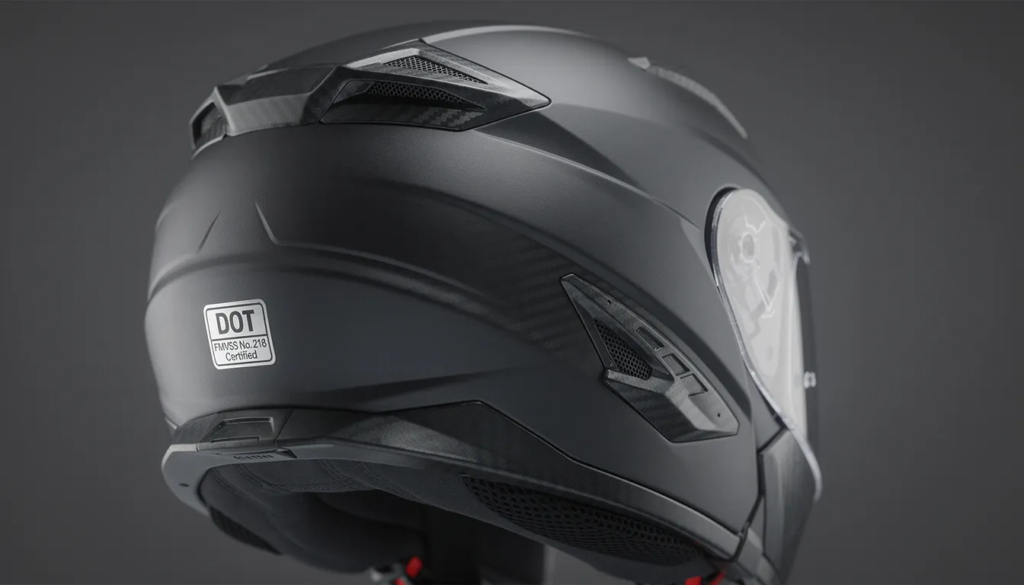
- DOT approved (Department of Transportation certified)
- Approved by the Arizona Department of Transportation (ADOT)
DOT approved helmets typically weigh approximately three pounds and feature thick foam inserts for impact absorption along with sturdy chin straps for secure attachment. Riders should look for the DOT certification sticker on the back of any helmet to verify it meets federal standards. Helmets provide foam inserts and tighter seals that protect riders from severe injuries in a crash. Safety experts and the riders wear department recommend selecting DOT-approved helmets for optimal protection and visibility, emphasizing the importance of proper fit, ventilation, and visibility features.
ARS 28-964(B): Eye Protection Requirements
Every motorcycle operator, regardless of age, must wear protective glasses, goggles, or a transparent face shield unless the motorcycle is equipped with a protective windshield. Riders aged 18 and older are not required to wear a helmet in Arizona but must wear protective eyewear. Motorcyclists are encouraged to wear protective eyewear if their motorcycle does not have a windshield.
Eye protection must provide reasonable protection from dust, insects, and road debris. The eyewear should be shatter-resistant and specifically designed for motorcycle riding. Many Arizona motorcyclists find that wearing a full-face helmet with a built-in face shield satisfies both safety needs and the legal eye protection requirement.
Enforcement and Citations
An operator can be cited if a required passenger (such as a minor) is not wearing a helmet or required eye protection. The responsibility falls on the adult operator to ensure all under-18 riders comply with the law.
Exceptions to the Requirements
Certain vehicles and situations are treated differently under Arizona law:
- Three wheeled vehicles with an enclosed cab
- Farm or agricultural vehicles during agricultural work
- All terrain vehicles in specific circumstances
- Riding on private property
Most street motorcycle riders, however, fall under the general rules described above and should plan accordingly.
Does Arizona’s Helmet Law Affect My Motorcycle Accident Claim?
Arizona follows a pure comparative negligence system. This means you can seek compensation from the at-fault party even if you bear some responsibility for your injuries. However, your recovery is reduced by whatever percentage of fault is assigned to you. The “helmet affect” can influence both legal outcomes and insurance claims after a motorcycle accident, potentially impacting your rights and the compensation you may receive.
Not wearing a helmet does not automatically bar you from filing a claim or recovering damages after a motorcycle accident in Arizona. This is a critical point that many motorcycle accident victims don’t realize. The law allowing adults to ride without helmets does not disappear simply because an accident occurred.
However, the at-fault driver’s insurance company may argue that your decision not to wear a helmet contributed to the severity of your head injury, facial injuries, or traumatic brain injuries. Not wearing a helmet can complicate insurance claims and may result in reduced compensation, as insurers may argue that your injuries were worsened by your choice. If successful, this argument can reduce the amount of compensation you receive.
Concrete Example: Consider this scenario: Your total damages (medical expenses, lost wages, pain and suffering) amount to $100,000. If a jury decides you were 25% at fault because not wearing a helmet worsened your head injury, your award would be reduced to $75,000. Not wearing a helmet can also lead to higher medical bills and longer recovery times after an accident.
Helmet use is typically most relevant to injuries affecting the head, face, or brain. It is far less likely to affect compensation for unrelated injuries such as leg fractures, spinal injuries, or road rash.
An experienced attorney at JacksonWhite can challenge unfair fault arguments, present medical expert testimony, and demonstrate that many of your injuries would have occurred regardless of whether you chose to wear a helmet.
How Insurance Companies Use Helmet Non-Use Against You
Understanding the tactics insurers use when a rider was not wearing a helmet at the time of a crash can help you protect your claim and avoid common pitfalls.
Insurance adjusters often attempt to shift blame to injured motorcycle riders by arguing that a “reasonable” motorcyclist would wear a helmet—even when Arizona law does not require it for adults. This argument is designed to reduce the company’s payout, not to fairly compensate you for your injuries.
Common Insurance Company Tactics:
| Tactic | How It Works |
| Medical Record Requests | Adjusters request detailed medical records to find evidence linking head injuries to helmet non-use |
| Expert Opinions | Insurers hire medical experts to testify that your skull fracture or brain injury would have been mitigated with a helmet |
| Low Settlement Offers | Companies cite your helmet choice to justify offering far less than your claim is worth |
| Comparative Fault Arguments | Insurers push for a high percentage of fault assigned to you, reducing their liability |
The insurance company’s goal is to minimize what they pay, not to treat you fairly. Their arguments about helmet use may be exaggerated or medically unsupported.
JacksonWhite’s personal injury team can push back by gathering evidence about crash mechanics, analyzing helmet effectiveness in similar impacts, and emphasizing the role of other drivers’ negligence in causing the accident.
Early legal representation is particularly valuable because it can prevent you from making statements in recorded calls that insurers later twist into admissions about your decision not to wear a helmet. Never accept any settlement that references your lack of a helmet without first speaking to an attorney.
How Helmet Use Can Influence Different Types of Damages
Understanding how helmet-related arguments can impact specific categories of compensation helps you set realistic expectations and build a stronger case.
Economic Damages
Economic damages include medical bills, rehabilitation costs, future medical expenses, and lost wages. These damages can still be recovered, but may be reduced if a jury finds that helmet non-use significantly worsened certain injuries—particularly head and facial injuries.
Non-Economic Damages
Non-economic damages cover pain and suffering, loss of enjoyment of life, and emotional distress. These may also be adjusted downward if you are found comparatively negligent for not wearing protective gear like a helmet.
When Helmet Non-Use Has Minimal Impact
If your primary injuries involve body parts that a helmet would not protect—such as spinal injuries, shoulder injuries, catastrophic injuries to limbs, or severe injuries to internal organs—helmet non-use may have little or no impact on those portions of your claim.
Wrongful Death Cases
In wrongful death cases, defense attorneys may argue that a decedent’s failure to wear a helmet contributed to fatal injuries. JacksonWhite works with medical experts to test and counter these claims, ensuring families receive fair compensation.
Building a Strong Case
Documenting your overall safety practices can help demonstrate responsibility even if you chose not to wear a helmet on a particular ride:
- Completion of a motorcycle safety course
- Use of other safety equipment and protective gear
- Compliance with traffic laws
- Regular motorcycle maintenance records
These factors can show a jury that you are a responsible rider, which can influence how they view the helmet issue.
Compensation for Accidents Involving Helmet Use or Non-Use
After a motorcycle accident, victims may be entitled to compensation for a range of losses, including medical expenses, lost wages, and pain and suffering. The amount of compensation available depends on the severity of the injuries, the extent of the damages, and the degree of fault assigned to each party involved in the accident.
In Arizona, motorcycle accident victims can pursue compensation even if they were not wearing a helmet, but the insurance company may argue that helmet non-use contributed to the injuries. This can affect the final settlement or court award, especially in cases involving head or brain injuries. If the accident results in fatal injuries, the victim’s family may be eligible to file a wrongful death claim to recover damages for their loss.
An experienced attorney can help motorcycle accident victims understand their rights, gather the necessary evidence, and build a strong case for compensation. Whether or not a helmet was worn, legal guidance is essential to ensure that accident victims receive the full amount they are entitled to under Arizona law.
Practical Safety Tips for Arizona Riders (and Why They Help Your Case)
Although adult riders are not legally required to wear helmets in Arizona, taking motorcycle safety seriously protects both your health and your future legal rights if an accident occurs.
Helmet Recommendations
All motorcycle riders, regardless of age, should consider wearing a DOT-approved, properly fitted helmet. Full-face helmets often provide the best protection for both head and facial injuries and satisfy the eye protection requirement as well.
Eye Protection Compliance
Use required eye protection—whether protective glasses, goggles, or a face shield—or ensure your motorcycle has a proper protective windshield. Compliance with ARS 28-964 prevents technical arguments that you were riding illegally at the time of a crash.
Additional Protective Gear
Consider wearing:
- Armored jackets made of sturdy material
- Riding pants with protective padding
- Gloves designed for motorcycle use
- Over-the-ankle boots (not dress shoes or sandals)
- Foot pegs properly positioned for safe riding
This additional protective gear reduces injury severity and limits the areas where insurers can argue you “failed to protect yourself.”
Safe Riding Practices
- Avoid alcohol and drugs before riding
- Obey posted speed limits
- Maintain safe following distance
- Stay alert for other drivers who may not see you
Safe riding habits directly influence fault assessments after a crash. A record of responsible riding can significantly strengthen your position in personal injury cases.
Documentation That Helps Your Case
Taking an approved motorcycle safety course through an organization like the Motorcycle Safety Foundation creates documentation of your commitment to safety. The Arizona Department of Motor Vehicles recognizes these courses, and completion records can be valuable evidence in litigation. Keeping maintenance records for your motorcycle similarly demonstrates responsible ownership.
Frequently Asked Questions About Arizona Helmet Law and Motorcycle Claims
Can I still file a claim if I wasn’t wearing a helmet in Arizona?
Yes, you can still file a personal injury claim in Arizona even if you were not wearing a helmet. Arizona’s pure comparative negligence system does not bar recovery based on partial fault. The key issue will be whether your decision not to wear a helmet contributed to the type or severity of your injuries, which can affect the percentage of fault assigned to you and ultimately your compensation amount. JacksonWhite can review your medical records and the accident circumstances to estimate how much, if at all, helmet non-use might impact your potential recovery.
Does it matter if my child passenger wasn’t wearing a helmet?
Helmet use is mandatory for passengers under 18, so a child passenger ride without a helmet can lead to traffic citations for the adult operator and may affect how liability is viewed in a civil claim. If a minor passenger suffers a head injury, the defense may argue that the adult motorcycle operator was negligent for allowing the child to ride without a helmet. An attorney can help separate the at-fault driver’s negligence from any alleged fault by the adult rider so that the injured child’s compensation is not unfairly reduced.
What if my main injuries are not to my head or face?
When injuries primarily involve areas a helmet would not protect—such as legs, arms, spine, or internal organs—helmet non-use may have little relevance to those particular damages. Insurers may still raise comparative negligence arguments about helmet issues, but a strong legal argument can demonstrate that the lack of a helmet did not cause or worsen those specific injuries. Medical expert testimony is often helpful to draw clear lines between helmet-related and non-helmet-related injuries.
Will I get a ticket in Arizona if I’m an adult riding without a helmet?
Adults 18 and older are not subject to a citation solely for riding without a helmet on public roads in Arizona, as long as all other laws—such as eye protection requirements under ARS 28-964—are followed. Adults can, however, be cited if they are operating a motorcycle with an under-18 passenger who is not wearing a helmet as required by law. Even though there is no ticket for adult helmet non-use, the decision can still affect an accident claim if a crash occurs.
How soon after my accident should I talk to a lawyer about helmet issues?
Contact an attorney as soon as practicable after receiving emergency medical care, ideally before giving any detailed recorded statement to an insurance company. Early legal advice allows your lawyer to manage communications with insurers, preserve evidence, and prepare for potential arguments about helmet use or comparative fault. Reaching out to the JacksonWhite personal injury team promptly helps you understand your rights and build the strongest possible case from the beginning.
When to Call JacksonWhite After a Motorcycle Accident
If you’re reading this article, you may already be dealing with injuries, mounting medical bills, and persistent calls from insurance adjusters. We understand how overwhelming this situation can be, and we want you to know that help is available.
Riders should contact the JacksonWhite personal injury team as soon as possible after a crash, whether or not they were wearing a helmet. Early legal involvement helps preserve critical evidence and prevents missteps with insurance companies that could hurt your claim.
Contact the JacksonWhite personal injury team today at (480) 485-4482 to schedule a consultation. Whether by phone or through our website, we’re ready to provide the specific legal advice you need about your motorcycle accident and help you pursue the compensation you deserve.