Key Takeaways
- Arizona motorcycle riders face a greater risk of serious injuries in crashes, even at relatively low speeds, because motorcycles offer little protection compared to passenger cars.
- Motorcyclists have little protection when involved in a crash or collision other than a helmet and possibly a leather jacket, which can lead to serious injuries.
- The most common motorcycle accident injuries include head and traumatic brain injuries, road rash, bone fractures, spinal injuries, internal organ damage, and limb injuries—many of which can result in permanent disability, chronic pain, or even death.
- Serious injuries often lead to extensive medical treatment, lost income, and long-term lifestyle changes that may be compensable if another driver’s negligence caused the crash.
- Arizona law allows injured riders to pursue compensation for medical expenses, lost wages, pain and suffering, and more through insurance claims or personal injury lawsuits.
- If you’ve been injured in an Arizona motorcycle crash, contact the JacksonWhite personal injury team for a free consultation about your specific case and legal options.
Why Motorcycle Accident Injuries Are So Severe
Motorcycles offer little physical protection for riders, leaving them directly exposed to impact with other vehicles, pavement, and roadside objects during a collision. Unlike occupants of passenger cars who are surrounded by steel frames, airbags, and crumple zones, motorcycle riders have only their protective clothing and helmets between themselves and the forces of a crash. This fundamental difference explains why accident injuries sustained by motorcyclists tend to be far more severe than those in typical motor vehicle accidents. In the most severe cases, especially when head injuries are involved, motorcycle fatalities can occur, highlighting the critical importance of wearing proper protective gear.
Several factors make injuries worse in a motorcycle crash. The lack of an enclosure means riders can be ejected from the bike upon impact, often sliding across asphalt at high speeds. The smaller vehicle size makes motorcycles harder for other drivers to see, contributing to crashes involving left-turn collisions where a car fails to yield to an oncoming motorcycle. According to the National Highway Traffic Safety Administration (NHTSA), motorcyclists are significantly more likely to be seriously injured or killed per mile traveled compared to occupants of passenger cars. Motorcycle accident injuries typically affect the lower extremities, upper extremities, thorax, head, face/neck, abdomen, and spine.
Even seemingly minor crashes can produce devastating results. A low-speed collision at a Phoenix or Mesa intersection can cause severe trauma when the rider is thrown from the bike or crushed between the motorcycle and a larger vehicle. The increased risk of life threatening injuries makes understanding these common injuries essential for any Arizona rider.

Head and Traumatic Brain Injuries
Head injuries and traumatic brain injuries are among the most serious motorcycle accident injuries and a leading cause of motorcyclist fatalities. When a rider’s head strikes the pavement, another vehicle, or a roadside object, the resulting trauma can range from mild concussions to catastrophic brain damage that affects every aspect of life.
Common head injuries in motorcycle accidents include:
- Concussions – Temporary disruption of brain function causing confusion, memory problems, and headaches
- Skull fractures – Breaks in the cranial bones that may require surgical intervention
- Brain contusions – Bruising of brain tissue from blunt force trauma
- Hemorrhages – Bleeding inside or around the brain that can be life threatening
- Diffuse axonal injury – Widespread damage to nerve fibers when the brain moves rapidly inside the skull
Arizona riders should seek medical attention immediately if they experience any of these symptoms after a crash: loss of consciousness (even briefly), nausea or vomiting, confusion or disorientation, slurred speech, severe headache, behavior changes, or problems with balance and coordination. These warning signs may indicate a traumatic brain injury that requires prompt medical attention.
DOT-approved helmets substantially reduce the risk of fatal head injuries, and statistics show helmet use can reduce TBI deaths by 37%. However, even helmeted riders can suffer brain trauma in high-impact collisions. Unhelmeted riders face exponentially higher risk of catastrophic injury, though Arizona law only requires riders under 18 to wear helmets.
Long-term consequences of traumatic brain injuries often become focal points in legal claims. Victims may require ongoing neurology follow-up, cognitive rehabilitation, and may be unable to return to their prior work. Emotional changes that affect relationships, personality shifts, and diminished quality of life are all damages that can be pursued in an injury claim.
Road Rash and Severe Skin Injuries
Road rash is incredibly common when a rider is thrown from the motorcycle and slides across asphalt, gravel, or concrete. The friction between skin and pavement generates intense heat—similar to second- or third-degree burns—stripping away layers of skin and underlying tissue. This common form of motorcycle injury affects areas most likely to contact the road first, including hips, shoulders, arms, hands, legs, and lower limbs.
Motorcycle accidents can also cause severe burns, especially in crashes involving contact with hot surfaces or when the motorcycle’s gas tank spills during a wreck. Burn injuries from fuel spills can lead to severe burns that may require skin grafts and result in significant medical complications.
Severity levels of road rash include:
| Severity | Description | Treatment Required |
| First degree road rash | Superficial abrasions affecting only the outer skin layer | Cleaning, bandaging, monitoring for infection |
| Second degree | Deeper wounds exposing underlying dermis, potential nerve damage | Professional wound care, possible debridement |
| Third degree | Deep tissue damage reaching muscle or bone | Skin grafts, reconstructive surgery, extended hospitalization |
Serious complications from road rash extend beyond the initial injury. Bacterial infections from debris embedded in wounds, nerve damage causing numbness or chronic pain, and permanent scarring can result in ongoing suffering. In severe cases, victims require multiple surgeries over months of recovery.
Protective clothing like armored jackets, riding pants, and gloves can reduce but not eliminate the severity of road rash and severe burns. However, many riders—especially in Arizona’s hot climate—ride without adequate protection, increasing their vulnerability to such injuries.
Visible scarring, especially on the face, hands, or arms, often becomes an important part of non-economic damages in an injury claim. Disfigurement can lead to emotional distress, diminished self-confidence, and reduced quality of life—all compensable losses when another driver caused the crash.
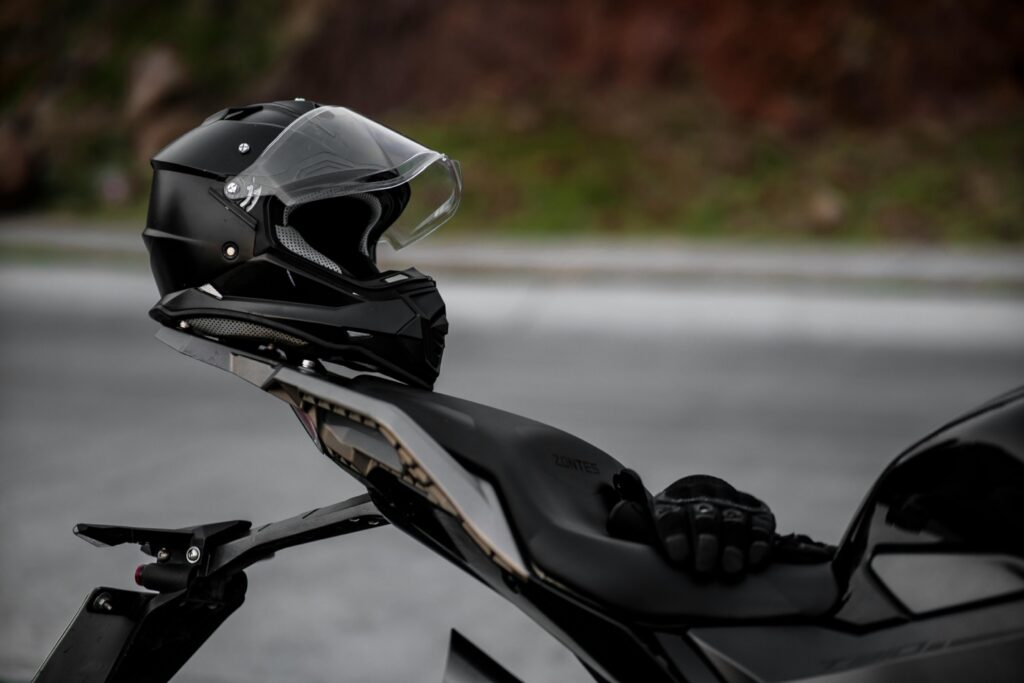
Broken Bones and Orthopedic Injuries
Bone fractures are extremely common in Arizona motorcycle crashes because the rider’s body absorbs most of the impact without the protection of a vehicle frame. When a motorcycle collides with another vehicle or the rider is thrown to the ground, the resulting forces frequently exceed what human bones can withstand.
Specific bones frequently broken in motorcycle collisions include:
- Wrists and forearms – From instinctively trying to break a fall
- Collarbones – Often shattered in direct impacts or falls
- Rib fractures – A common thoracic injury, which can lead to complications such as lung lacerations and vascular injuries, especially among older riders
- Pelvis – Particularly in side-impact crashes
- Femur, tibia, and fibula – Leg injuries from being pinned or crushed
- Ankles and feet – From impact with the ground or other vehicles
- Hands – Small bones easily crushed in falls
Injuries to the lower extremities often include the knees, calves, ankles, and feet, and can result in long-term disability for many riders.
Possible complications make these injuries particularly serious. Compound fractures where bone protrudes through the skin require surgery and carry high infection risk. Non-unions that do not heal properly may necessitate additional procedures. Many fractures require surgery with plates, screws, or rods, and some patients need later removal surgeries. Proper protective gear can help limit the occurrence of severe fractures in motorcycle accidents.
The impact on daily life can be substantial. Injured riders face time off work for surgery and recovery, extensive physical therapy over 3-12 months, and limited ability to ride or exercise. Long-term stiffness or arthritis in injured joints can permanently affect a person’s ability to perform certain jobs or enjoy previous hobbies.
Medical records documenting imaging (X-rays, CT scans), surgeries, and rehabilitation are central evidence in proving the extent of damages in an Arizona personal injury case. These documented injuries often increase claim values because they provide verifiable proof of harm.
Spinal Cord and Serious Back Injuries
High-energy impacts in motorcycle accidents can cause damage anywhere along the spine, from the neck to the lower back. Neck injuries, such as whiplash and cervical spine injuries, are common and can be especially severe. Spinal injuries represent some of the most catastrophic outcomes possible. Spinal injuries can lead to chronic pain, nerve damage, paralysis, and even death.
It’s important to differentiate between general back injuries and true spinal cord injuries:
| Type | Examples | Potential Outcomes |
| General Back Injuries | Muscle strains, herniated discs, compression fractures | Pain, limited mobility, need for physical therapy |
| Spinal Cord Injuries | Partial or complete cord damage | Partial or complete paralysis (paraplegia or quadriplegia) |
Warning signs that require immediate medical attention include severe back or neck pain, numbness or tingling in arms or legs, weakness in extremities, loss of sensation, loss of bladder or bowel control, or difficulty breathing. Any of these symptoms after a crash warrant emergency evaluation.
The long-term consequences of serious spinal cord damage are profound. Victims may face paraplegia (paralysis of the lower body) or quadriplegia (paralysis of all four limbs), depending on where the injury occurs along the spinal cord. This often means lifelong dependence on mobility aids, need for in-home care or modifications to living spaces, and ongoing costs for medical equipment and medications.
In catastrophic spinal cases, motorcycle accident attorneys typically work with medical specialists and life-care planners to calculate long-term future costs. These projections become essential in settlement negotiations or trial presentations to ensure injured motorcyclists receive compensation adequate for their lifetime needs.
Internal Injuries and Organ Damage
Internal injuries can be life threatening but are not always obvious immediately after a crash. The blunt force trauma from a collision—whether from hitting another vehicle, the pavement, or being crushed by the motorcycle—can damage internal organs without leaving visible external wounds. Blunt force trauma to the thorax can cause internal bleeding and damage to vital organs such as the heart and lungs.
Common internal injuries in motorcycle collisions include:
- Internal bleeding – Can occur in the chest, abdomen, or pelvis
- Lung contusions – Bruising of lung tissue affecting breathing
- Liver or spleen damage – These organs are vulnerable to rupture
- Kidney trauma – Can result from side impacts
- Bowel perforations – Can lead to serious infection if not treated
Symptoms riders should not ignore after an Arizona crash include abdominal pain or swelling, bruising on the torso, shortness of breath, dizziness or fainting, blood in urine or stool, and signs of shock (pale skin, rapid heartbeat, confusion). Even if you feel “fine” at the scene, abdominal injuries may not manifest symptoms for hours.
These injuries often require surgery, intensive care stays, and follow-up imaging, leading to substantial medical bills. Emergency surgery to repair a ruptured spleen or stop internal bleeding can cost tens of thousands of dollars, with additional costs for hospitalization and recovery.
Delaying medical evaluation can harm both physical recovery and the strength of any personal injury case. Insurers may argue that injuries were not caused by the crash if there’s a gap between the accident and proper diagnosis. This is why seeking immediate medical attention—even when injuries seem minor—is crucial for both health and legal purposes. Motorcycle accidents can result in a wide range of other injuries as well, highlighting the importance of comprehensive medical assessment after any crash.
Arm, Shoulder, and Leg Injuries
Limbs often take the brunt of the impact when a rider tries to brace for a fall or when the bike lands on top of them. Upper extremity injuries comprise approximately 35% of motorcycle crash injuries, while lower extremity injuries are similarly common due to the rider’s legs being exposed on either side of the motorcycle.
Common upper extremity injuries include:
- “Biker’s arm” – Nerve damage causing numbness, tingling, or paralysis in the arm
- Shoulder injuries including dislocations and rotator cuff tears
- Elbow fractures and ligament damage
- Wrist and hand injuries impairing grip strength
Common lower extremity injuries include:
- Knee ligament tears (ACL, MCL, meniscus damage)
- Shattered ankles and crushed feet
- Severe contusions to hips and thighs
- Injuries to the rider’s legs when pinned between the bike and another vehicle
Even when these injuries do not appear life threatening, they can lead to long-term mobility issues, chronic pain, and difficulty returning to certain jobs or hobbies. A construction worker who loses grip strength may be unable to continue their career. A rider who suffers knee damage may never ride again.
Ongoing physical therapy, injections, and possible future surgeries should be carefully documented so they can be considered in any settlement demand or lawsuit. Medical professionals can provide testimony about expected future treatment needs and associated costs.

How Arizona Riders Can Be Compensated for Motorcycle Accident Injuries
If another driver, a company, or another responsible party caused the crash through negligence, injured riders in Arizona may pursue compensation under state personal injury law. Understanding how this process works is essential for motorcycle accident victims seeking to recover their losses.
Typical categories of damages available include:
- Past and future medical expenses (surgeries, hospital stays, rehabilitation, medications)
- Lost wages and loss of earning capacity
- Property damage to the motorcycle and gear
- Pain and suffering
- Emotional distress
- Loss of consortium for spouses
- Permanent disfigurement or disability
Fault is established in Arizona by proving that the other party breached a duty of care—such as by speeding, distracted driving, failing to yield, or violating traffic laws—and that this breach directly caused the rider’s injuries. Evidence like police reports, witness statements, and accident reconstruction can help demonstrate how other drivers’ negligence led to the crash.
Arizona follows comparative negligence rules. This means injured riders can still recover compensation even if they were partially at fault for the accident. However, their recovery is reduced by their percentage of fault. For example, if a rider is found 20% responsible for a crash, they can still recover 80% of their damages.
Most claims begin as insurance negotiations with the at-fault driver’s liability carrier. If the other driver was uninsured or underinsured, the rider’s own uninsured/underinsured motorist coverage may provide additional recovery options. Many motorcycle injury attorneys identify all potential sources of coverage to maximize compensation.
Acting promptly is essential. Arizona has deadlines (statutes of limitations) for filing personal injury lawsuits, typically measured in years from the crash date. Evidence such as witness statements, surveillance video, and vehicle data can fade or disappear over time, making early action important for building a strong case.
When to Talk With an Arizona Motorcycle Accident Lawyer
Injured riders should contact a lawyer as soon as possible after receiving emergency medical care, especially if they suffered significant injuries, were hospitalized, or expect long-term treatment. Early legal involvement can make a substantial difference in the outcome of a case.
Scenarios that warrant immediate legal help include:
- Disputes over who was at fault for the crash
- Low or denied settlement offers from insurance companies
- Serious injuries such as brain damage, spinal cord damage, or amputations
- Accidents involving commercial vehicles or multiple parties
- Crashes with uninsured or hit-and-run drivers
- Fatal injuries resulting in wrongful death claims
Early involvement allows attorneys to preserve critical evidence. Photographs of the scene, witness statements, surveillance video, and data from vehicle electronics can all strengthen a case—but they must be gathered quickly before they’re lost or destroyed. Additionally, having an attorney involved early helps injured riders avoid common mistakes when speaking with insurance adjusters who may be looking to minimize payouts.
If you’ve been injured in an Arizona motorcycle accident, contact the JacksonWhite personal injury team today to schedule a consultation. Our team can review your case, explain your legal options, and help you understand what compensation may be available for your injuries.
Frequently Asked Questions About Motorcycle Accident Injuries in Arizona
Do I have a case if I wasn’t wearing a helmet during the crash?
In Arizona, adults over 18 are not required by law to wear helmets while riding. However, insurance companies may raise the lack of a helmet as a factor when evaluating head injury claims, arguing that the rider’s injuries would have been less severe with proper protection.
Not wearing a helmet does not automatically bar recovery in Arizona. Instead, it may affect how comparative fault is argued and how damages are evaluated. A JacksonWhite attorney can assess how helmet use may impact an individual claim and develop arguments to protect the rider’s rights to fair compensation.
What if the other driver left the scene or didn’t have enough insurance?
Hit-and-run accidents and crashes involving underinsured drivers create additional challenges, but injured riders may still have options. Your own uninsured or underinsured motorist coverage (if you carry it) can provide compensation when the at-fault driver cannot. Additionally, there may be other responsible parties—such as employers of commercial drivers or vehicle manufacturers—who could share liability.
Promptly reporting hit-and-run collisions to law enforcement and your own insurer is essential. JacksonWhite can review available policies and explore all possible sources of recovery in complex or hit-and-run cases.
How long after a motorcycle accident do I have to file a claim in Arizona?
Arizona law sets specific deadlines (statutes of limitations) for filing personal injury lawsuits. Generally, injured parties have two years from the date of the crash to file a lawsuit. However, shorter deadlines may apply if a government entity is involved, requiring notice of claims within a much shorter timeframe.
Waiting until the deadline approaches is risky because evidence becomes harder to gather over time, witnesses’ memories fade, and legal preparation requires adequate time. Contact an attorney as soon as possible to protect your rights.
What should I do in the days after a motorcycle accident?
In the days following a motorcycle crash, focus on these practical steps:
- Follow all medical advice and attend every follow-up appointment
- Keep copies of all medical records and bills
- Photograph your injuries as they heal over time
- Avoid posting about the crash or your injuries on social media
- Notify your insurance company, but avoid giving recorded statements to the other driver’s insurer before speaking with an attorney
Contact JacksonWhite promptly so the legal team can begin protecting your interests while you focus on recovery.
How are pain and suffering calculated in a motorcycle injury case?
Pain and suffering are non-economic damages based on the severity and duration of physical pain, emotional distress, and loss of enjoyment of life. Unlike medical bills or lost wages, these damages don’t have a specific dollar amount attached—they require careful documentation and persuasive presentation.
Evidence that helps establish pain and suffering includes medical reports describing the nature of injuries, therapist or counselor notes documenting emotional impact, photographs showing visible injuries and scarring, and statements from family and friends about how the injuries have affected daily life. JacksonWhite uses this information along with medical and vocational evidence to argue for a fair valuation in negotiations or at trial.
How a JacksonWhite Motorcycle Accident Attorney Can Help
The JacksonWhite personal injury team helps injured motorcyclists throughout Arizona. Our attorneys understand the unique challenges motorcycle accident victims face—from severe injuries to insurance company biases against riders.
Injured motorcyclists can rely on the JacksonWhite personal injury team to thoroughly investigate crashes, gather crucial evidence, manage communications with insurance companies, and negotiate fair compensation. When necessary, they also file lawsuits and represent riders in court to secure full recovery for medical expenses, lost income, and pain and suffering.
Initial consultations are offered so injured riders and their families can learn about their legal options and ask case-specific questions without upfront commitment. If you or a loved one has suffered injuries in an Arizona motorcycle accident, don’t wait to explore your rights. Contact the JacksonWhite personal injury team today at (480) 485-4482 for a consultation about your motorcycle accident case.