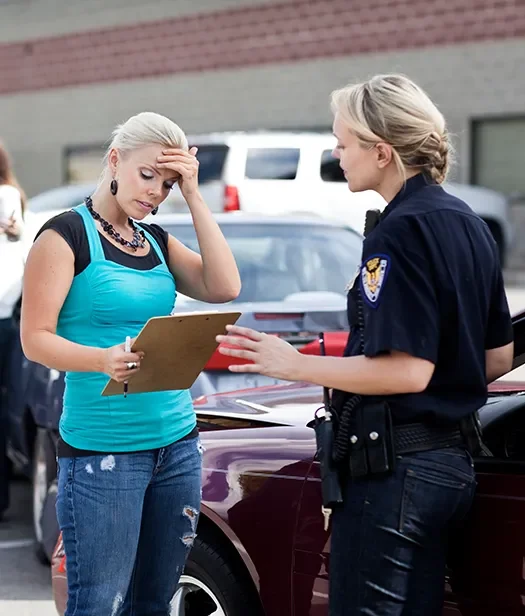
Being involved in a motorcycle accident is stressful enough without the added worry that your own actions may have contributed to the crash. If you were partially at fault for a collision on Arizona roads, you might assume your claim is worthless. That assumption would be wrong. Arizona law allows injured motorcyclists to recover damages even when they share responsibility for the accident, though the amount you receive will be reduced based on your percentage of fault.
Key Takeaways
- Arizona follows a pure comparative negligence rule, meaning injured motorcyclists can recover damages even if they were mostly at fault—up to 99% responsible—though compensation is reduced proportionally.
- Your total award will be reduced by your fault percentage (for example, if you are 30% at fault, your recovery is reduced by 30%).
- Insurance companies frequently try to inflate a rider’s fault by pointing to speeding, lane positioning, or gear choices, so early evidence preservation is critical.
- Fault determination in motorcycle crashes is highly fact-specific and can often be challenged through police reports, witness statements, dashcam footage, and accident reconstruction.
- The JacksonWhite personal injury team can review your Arizona motorcycle crash and explain your realistic options for recovery during a consultation.

How Arizona’s Comparative Negligence Rule Affects Motorcycle Accident Claims
Arizona follows what is called pure comparative negligence, a legal framework that allows injured riders to recover compensation even when they share fault for a crash. Unlike some states that bar recovery if you are more than 50% responsible, Arizona’s comparative negligence law permits you to pursue damages regardless of how much blame is assigned to you.
Under A.R.S. § 12-2505, a court or jury will assign fault to each party involved in an accident. If you are a motorcyclist who was hit by a texting driver but were also speeding at the time, the jury might determine that the driver bears 70% of the responsibility while you bear 30%. Your compensation would then be reduced by your percentage of fault.
Here is a concrete example of how this works in direct proportion to the fault assigned:
| Total Damages | Your Fault Percentage | Reduction Amount | Final Recovery |
| $150,000 | 30% | $45,000 | $105,000 |
| $100,000 | 50% | $50,000 | $50,000 |
| $200,000 | 75% | $150,000 | $50,000 |
This comparative negligence rule applies across Arizona, whether your accident occurred on busy Phoenix freeways, Mesa intersections, or Chandler surface streets. The principle remains the same: your recovery is reduced but not eliminated by your own negligence.
Unlike states with modified comparative negligence systems (such as South Dakota or other jurisdictions using a 50% or 51% threshold), Arizona does not cut off recovery when the rider is more than half at fault. Even if you are 99% responsible, you can still recover 1% of your damages from the other responsible party.
Can I Recover Damages if I Was Partially at Fault for My Arizona Motorcycle Crash?
Yes. In most Arizona motorcycle accidents, you may still recover compensation even when you made a mistake that contributed to the collision. The comparative fault system exists precisely to handle situations where two parties share responsibility for an accident.
Typical situations where riders are found partially at fault include:
- Speeding 10–15 mph over the limit on Loop 202
- Rolling through a stop sign in Mesa
- Making a quick lane change on I-10 near downtown Phoenix without proper signaling
- Riding between lanes of slow-moving traffic
- Failing to use headlights in low-visibility conditions
In each of these scenarios, the other driver’s negligence—such as failing to yield when turning left, following too closely, or texting while driving—is weighed against the rider’s conduct to determine fault. A jury or insurance adjuster will assign blame to each party based on the evidence available.
Even riders who believe they were mostly responsible should not assume they have no claim. Investigation often reveals that a driver, poor road condition, or defective vehicle part also played a significant role in causing the crash. The injured party may be surprised to learn that their fault percentage is lower than initially believed.
Speaking with an Arizona motorcycle accident attorney at JacksonWhite early in the process can prevent insurance adjusters from unfairly assigning most of the blame to the rider. Insurance companies are motivated to minimize payouts, and they often push a claimant’s fault higher than the evidence supports.
Understanding Fault in Arizona Motorcycle Accidents
Fault in Arizona is based on negligence law, and the same four elements that apply in a car accident case also apply to motorcycle crashes. To recover damages, the injured motorcyclist must prove that the defendant owed a duty of care, breached that duty, caused the accident through that breach, and that the plaintiff suffered actual damages as a result.
Arizona courts and juries consider concrete evidence when deciding how to assign fault and apportion fault among the parties involved:
- Police reports documenting contributing factors
- Crash scene photos at intersections like Camelback Road and 7th Avenue
- Witness statements from bystanders or other drivers
- Helmet camera or dashcam footage
- Vehicle damage patterns indicating speed and angle of impact
- Cellphone records showing distracted driving
Motorcyclists often face bias from insurers and even juries who assume that riders are inherently reckless. Overcoming these stereotypes requires a detailed legal presentation of evidence showing the true distribution of fault between the parties.
Duty of Care in Motorcycle Cases
Every driver and rider on Arizona roads owes other road users a duty to exercise reasonable care. This means operating vehicles safely, following traffic laws, and being aware of surrounding traffic. A driver on Scottsdale Road must check blind spots before changing lanes. A rider must obey red lights at major intersections like Rural Road and University Drive.
Even when a motorcyclist is lane positioned aggressively or riding in heavy traffic on I-17, the duty still exists for all road users to watch for motorcycles and take reasonable steps to avoid a collision. This duty is the foundation of any negligence claim and is usually straightforward to establish in traffic crashes.
Breach of Duty (Who Acted Unreasonably?)
A breach occurs when someone fails to act as a reasonably careful person would under similar circumstances. In motorcycle accidents, breach examples include:
- A driver turning left in front of an oncoming bike on Bell Road
- A pickup truck drifting into a rider’s lane while the driver checks GPS
- A motorcyclist weaving rapidly between vehicles in rush-hour traffic on US-60
- A car following a motorcycle too closely on the freeway
Both the motorist and the motorcyclist can have breaches in the same incident. When this happens, the claimant’s fault and the defendant’s fault are both considered, and the jury will determine each party’s relative degree of responsibility.
Causation: Linking Fault to the Crash
Causation asks whether the other party’s breach actually led to the collision and the rider’s injuries. Arizona law considers both cause in fact (the crash would not have happened but for the driver’s action) and proximate cause (whether the harm was a reasonably foreseeable result of the conduct).
For example, a driver failing to yield at a left turn on McDowell Road and directly causing a T-bone collision with a motorcyclist establishes clear causation. Similarly, an SUV tailgating a bike on I-10 and rear-ending the rider when traffic slows demonstrates that the breach directly caused the plaintiff’s injuries.
Evidence-based accident reconstruction and medical testimony can help connect the breach to actual injuries, especially when preexisting conditions are involved or when the liable party argues that the injuries were not wantonly caused by their conduct.
Damages in Arizona Motorcycle Accident Claims
To recover anything, the injured motorcyclist must prove real, compensable losses arising from the accident. Even when fault is clearly established, a claim without documented damages will not result in compensation.
Economic damages typically include:
- Emergency treatment at facilities like Banner – University Medical Center Phoenix
- Follow-up medical visits and physical therapy
- Surgery and hospitalization costs
- Prescription medications
- Lost wages from time off work
- Future reduced earning capacity
Non economic damages commonly include:
- Pain and suffering from fractures, road rash, or internal injuries
- Loss of enjoyment of activities, including riding in Arizona’s year-round weather
- Emotional distress and mental anguish
- Scarring or permanent disfigurement
In severe motorcycle injuries such as traumatic brain injuries, spinal cord damage, or amputations, the full damages can be substantial. Even a partial recovery under comparative negligence principles can still be financially significant when the underlying damages are high. In wrongful death cases, surviving family members may also pursue claims for their losses.
How Shared Fault Actually Reduces a Motorcycle Injury Award
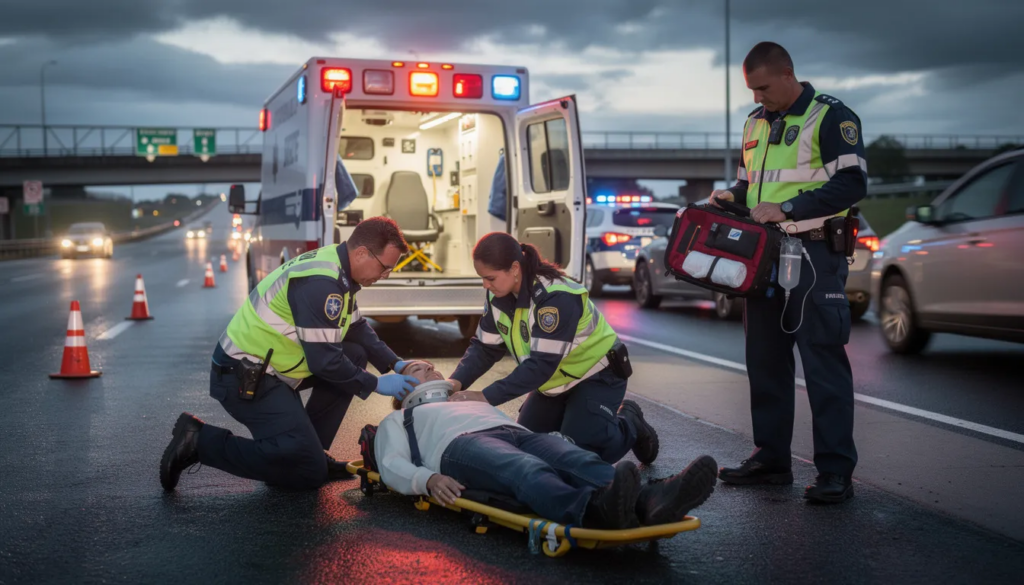
Comparative negligence does not eliminate recovery—it mathematically reduces the plaintiff’s damages based on the fault attributed to them. This reduction applies across all categories of damages unless a court orders otherwise.
Here are two detailed examples:
Example 1: A rider suffers $200,000 in total damages after being hit by a driver who ran a red light. The jury finds the rider was 25% at fault for exceeding the speed limit. The rider’s recovery is reduced by 25%, resulting in $150,000.
Example 2: A motorcyclist has $90,000 in damages from a crash where they made an unsafe lane change. The jury assigns 60% fault to the rider and 40% to a driver who was following too closely. The rider recovers 40% of their damages, or $36,000.
Insurance companies routinely attempt to push a rider’s fault percentage as high as possible. An adjuster might initially suggest a rider was 20% at fault, then shift that number to 50% or higher based on selective interpretation of evidence. They may point to factors like:
- The rider’s speed relative to traffic
- Whether the rider was wearing full protective gear
- Lane positioning choices
- Any statements made at the scene
Challenging these inflated fault assessments requires gathering additional evidence, working with accident reconstruction experts, and negotiating effectively. A skilled attorney can help prove that the other party’s conduct was the primary cause of the crash and lower the fault percentage assigned to the rider, maximizing net recovery.
Common Scenarios Where a Rider Is Partially at Fault in Arizona
Many real-world motorcycle crashes involve mistakes on both sides. Understanding typical patterns helps riders anticipate how their personal injury case may be evaluated by insurers and juries.
Common Arizona scenarios where fault is shared include:
- A rider going slightly over the speed limit on I-10 when a driver merges without looking
- Carrying a passenger under 18 without a helmet on a Phoenix surface street
- Taking an unprotected left turn in front of a distant oncoming vehicle
- Riding without adequate lighting at dusk on rural roads
- Making an abrupt lane change without signaling
Not every traffic violation by a rider automatically makes them primarily at fault. A motorcyclist going 5–10 mph over the limit may share some responsibility, but if a driver ran a red light and caused the collision, the driver’s negligence may still be the dominant factor.
Insurers often argue that certain rider behaviors—like lane positioning, wearing dark clothing at night, or braking hard to avoid debris—constitute fault. These arguments can be countered with expert testimony about safe motorcycle operation and industry standards for rider conduct.
A personal injury attorney with extensive experience in motorcycle cases can break down these scenarios for a jury and demonstrate how the driver’s conduct was the primary cause of the accident, limiting the blame assigned to the rider.
Frequently Asked Questions About Partial Fault in Arizona Motorcycle Accidents
The following questions address common concerns that go beyond the main topics covered above, focusing on practical and procedural issues Arizona riders often face.
If I wasn’t wearing a helmet, can I still recover damages in Arizona?
Arizona law requires helmets only for riders and passengers under 18. Adults can legally ride without a helmet and still bring an injury claim. However, not wearing a helmet may allow the defense to argue comparative fault specifically for head or facial injuries, potentially reducing compensation for those particular harms.
This does not automatically bar recovery for other injuries like broken bones, road rash, or internal trauma. JacksonWhite can work with medical experts to separate injuries caused by the crash itself from those arguably worsened by the absence of a helmet, helping to limit the fault percentage attributed to the rider.
What if I don’t have motorcycle insurance—can I still file a claim?
Riding without required insurance creates separate legal and financial consequences under Arizona law, but it does not automatically prevent an injured rider from bringing a claim against an at-fault driver. The lack of insurance may affect how certain damages are pursued and how settlement negotiations proceed, but the negligence principles governing fault and compensation still apply.
Uninsured riders involved in a crash should speak with an attorney promptly to understand both the injury claim and any potential consequences related to insurance coverage gaps.
Can my passenger recover damages if I was partially at fault?
Passengers on a motorcycle generally have the right to pursue compensation from any negligent party, including both the rider and another driver if both contributed to the crash. The passenger is not typically assigned fault unless they did something to interfere with the rider’s control of the motorcycle.
Comparative negligence may result in liability being divided among the rider and other motorists, with the passenger’s recovery coming from multiple insurance policies. JacksonWhite can evaluate the passenger’s claim separately and structure the case to protect both the rider’s and passenger’s interests.
What happens if the other driver fled the scene or was never identified?
In Arizona hit-and-run motorcycle accidents, recovery often depends on the rider’s own uninsured/underinsured motorist (UM/UIM) coverage or household policies. The claim is made against the rider’s own insurance carrier instead of the missing driver.
Insurers may still argue comparative fault—claiming the rider was speeding or riding without lights—to reduce payouts even when the other driver cannot be identified. Riders in hit-and-run situations should contact an attorney quickly to help locate available coverage, preserve evidence, and challenge unfair attempts to shift blame to the claimant.
Should I talk to the insurance adjuster about fault before I hire a lawyer?
Riders should be extremely cautious when describing how a crash happened. Adjusters may use statements about speed, following distance, or lane changes to increase the rider’s percentage of fault and reduce the settlement offer. Even innocent comments like “I didn’t see them until the last second” can be used to argue that the rider failed to exercise reasonable care.
Whenever possible, injured motorcyclists should speak with an attorney before giving a detailed recorded statement. If a rider has already spoken with an adjuster, an attorney can still step in, review what was said, and work to correct or clarify the record before fault is formally assigned.
Call JacksonWhite for Help After a Partially Faulted Motorcycle Accident
Being partially at fault does not automatically eliminate your right to recover damages under Arizona’s pure comparative negligence system. Many riders who share some responsibility for their accidents still receive meaningful compensation for their injuries, medical expenses, and other losses.
The JacksonWhite personal injury team represents injured motorcyclists across Arizona and focuses on maximizing recovery even when an insurance company is already trying to blame the rider. If you were hurt in a motorcycle accident and are being told you were partially at fault, contact JacksonWhite today at (480) 485-4482 to schedule a consultation and get individualized legal guidance tailored to your situation.