Being involved in a motorcycle accident is one of the most disorienting and frightening experiences a rider can face. Compared to car accidents, motorcycle accidents often result in more severe injuries and consequences due to the lack of protection for riders and the unique risks involved. In the moments after a motorcycle crash on Arizona roads, your mind races with questions about your health, your bike, and what happens next. This guide walks you through the essential steps to take immediately following a motorcycle accident in Arizona, helping you protect both your physical well-being and your legal rights.
Key Takeaways
- Move to safety if possible and call 911 immediately—Arizona law (A.R.S. § 28-663 and § 28-666) requires you to stop, exchange information, and render reasonable aid after any accident causing injury or property damage.
- Seek medical attention immediately, even if you feel fine—hidden injuries like internal bleeding, traumatic brain injuries, and spinal cord injuries may not present symptoms right away due to shock and adrenaline.
- Document everything at the accident scene including photos, witness statements, and the other driver’s information to support any future insurance claims or personal injury claims.
- Be cautious when speaking with anyone—avoid admitting fault or giving recorded statements to the other driver’s insurance company without first consulting an attorney.
- Contact an experienced motorcycle accident attorney early in the process—motorcycle accident victims in Arizona often face unfair bias, and having legal counsel from JacksonWhite’s personal injury team can significantly impact your case outcome.
What to Do After a Motorcycle Accident: Immediate Safety Steps at the Crash Scene
The first minutes after a motorcycle collision in Arizona—whether on I-10 in Phoenix or Loop 101 in Scottsdale—are chaotic and disorienting. Your body is likely flooded with adrenaline, which can mask serious injuries and make clear thinking difficult. Your absolute top priority is preventing additional harm to yourself and others.
If you are physically able, you must stay at the accident scene as required by Arizona law. Turn on your hazard lights if your motorcycle is still operational, or ask a bystander to help warn approaching traffic. If you can move without worsening your injuries, carefully relocate yourself to the shoulder, median, or another safe area away from traffic flow.
Moving your motorcycle off the roadway can help prevent secondary crashes and protect other vehicles from colliding with debris. However, your own safety always comes first—do not risk further injury to save your bike. If moving causes severe pain or you suspect spinal cord injuries, stay still and wait for emergency responders.
Critical safety reminders:
- Do not remove your helmet or protective gear if you suspect head injuries, neck injuries, or back trauma
- Avoid sudden movements until EMTs arrive and can properly assess you
- Quickly check on passengers, pedestrians, or occupants of other vehicles and provide basic aid within your abilities
- Never leave the scene after a crash involving injury or property damage—doing so can result in criminal penalties under Arizona law
- The only exception for leaving is a true emergency, such as transporting yourself directly to the ER when no ambulance is available
Call 911 and Report the Accident
In Arizona, you should call 911 immediately after any motorcycle accident involves injury or noticeable property damage—regardless of whether the crash occurs in Phoenix, Mesa, Chandler, Glendale, or on rural highways like U.S. 60.
When speaking with the dispatcher, clearly communicate:
- Your exact location (nearby mile markers, highway exits, or cross-streets like “Bell Road and 7th Street”)
- How many vehicles involved in the collision
- Whether anyone appears to have serious injuries or severe injuries
- Any hazards such as fuel leaks, blocked lanes, or fires
Calling 911 triggers both law enforcement response (Phoenix PD, Arizona DPS, sheriff’s deputies, or local police) and paramedics. This creates critical evidence for any later insurance claim or lawsuit. Emergency responders will document the scene, which becomes part of the official record.
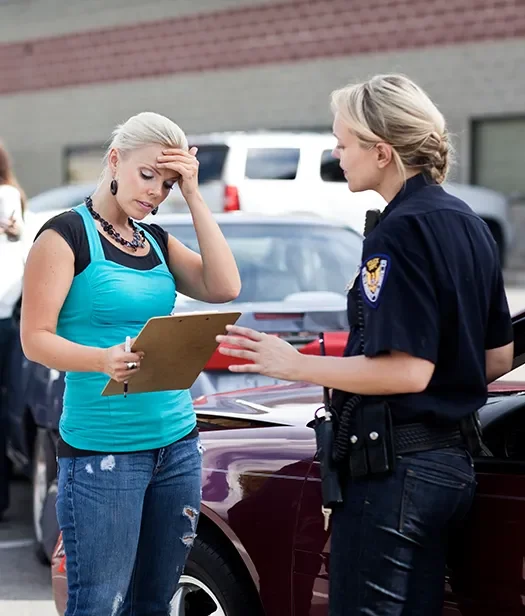
Arizona police will typically prepare a detailed police report. When officers arrive, cooperate fully and provide your required information—but make sure your version of events is included accurately. Ask the responding officer how to obtain your report number later, as you will need this document for your motorcycle accident claim.
Even if the other driver suggests “handling it ourselves” without involving police, you should still request police response. Private arrangements between drivers often fall apart, leaving injured motorcyclists unprotected and without the documentation needed to pursue fair compensation.
Get Medical Attention Right Away
Arizona motorcycle crashes often cause hidden accident injuries that may not be obvious at the accident scene due to shock and adrenaline. Common motorcycle accident injuries like concussions, internal injuries, internal bleeding, soft tissue injuries, and spinal damage can take hours or even days to fully manifest. What feels like minor soreness could actually indicate broken bones, brain injuries, or severe trauma requiring immediate intervention.
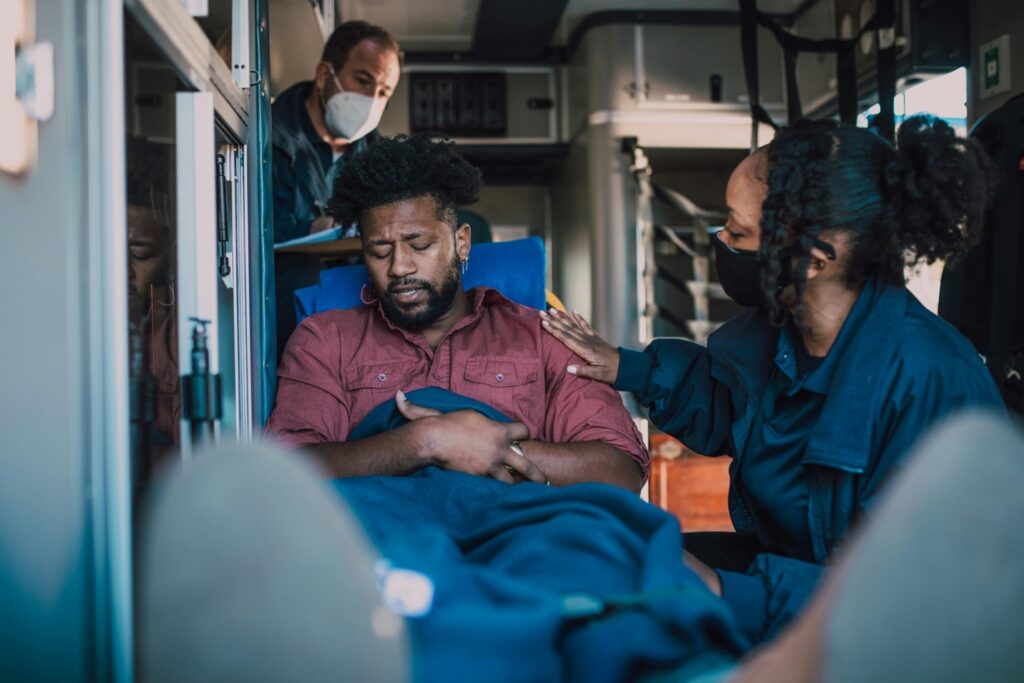
If EMTs recommend ambulance transport to the nearest emergency department—such as Banner – University Medical Center Phoenix or HonorHealth Scottsdale Osborn—accept it, even if you “feel okay.” Emergency medical care creates crucial medical records linking your injuries directly to the motorcycle accident.
If you are not transported by ambulance:
- Visit an urgent care or ER within hours of the crash
- Explicitly tell the medical professional it was a motorcycle accident so they perform appropriate imaging and evaluations for common injuries like road rash, head injuries, and blunt force trauma
- Follow all treatment plans and attend every follow-up appointment
- Keep copies of discharge summaries, imaging reports, prescriptions, and all medical bills
Gaps in medical treatment or delays in seeking care are frequently used by Arizona insurance adjusters to argue that your motorcycle accident injuries were minor or unrelated to the crash. Consistent medical evaluation and physical therapy documentation strengthens your case and protects your right to recover medical expenses and medical costs.
Document the Scene and Collect Information
When it is safe and you are physically able, gathering evidence at the crash site can make a significant difference in proving what happened and supporting your accident compensation claim. Arizona’s comparative negligence system means fault allocation directly impacts your recovery—thorough documentation protects you from unfair blame.
Key photos to capture with your phone:
- Position of all vehicles involved before anything is moved
- Skid marks, debris, and road conditions
- Traffic signals, stop signs, and lane markings
- Weather and lighting conditions
- Close-ups of visible injuries (road rash, cuts, bruises)
- Damage to your motorcycle, helmet, and gear
- License plates of all vehicles involved
Information to exchange (as required by A.R.S. § 28-663):
| Information Needed | From Other Driver(s) |
| Full name | ✓ |
| Address | ✓ |
| Phone number | ✓ |
| Driver’s license number | ✓ |
| License plate number | ✓ |
| Insurance provider and policy number | ✓ |
Additional steps:
- Collect names and contact information from any witnesses before they leave the scene
- Politely ask witnesses if they would be willing to provide witness statements later
- Keep a brief written or digital note describing the time and date (e.g., “May 3, 2026, around 4:15 p.m.”), traffic flow, approximate speeds, and anything the other driver said—including apologies or admissions of fault
- Note specific Arizona road conditions, such as construction zones, poor signage, or dangerous intersection layouts
Be Careful What You Say at the Scene
Arizona motorcycle riders often face unfair stereotypes and bias. Even innocent comments made at the accident scene can be twisted by insurers or defense lawyers during legal proceedings. What you say matters—protect yourself by being thoughtful about your words.
What to avoid saying:
- “I’m sorry” or any form of apology (even out of politeness)
- “I must have been going too fast”
- “I didn’t see you”
- Any speculation about what caused the crash
- Guesses about your speed, distance, or reaction time
When speaking with officers, stick to basic facts. Provide your required identification, registration, and proof of your Arizona motorcycle endorsement, but avoid detailed opinions about fault. You have no obligation to give recorded statements to any insurance company representative at the scene.
Never agree to accept cash on the spot or sign any handwritten agreements without first speaking to a personal injury attorney. These informal arrangements can completely undercut your future claims and leave you responsible for mounting medical bills.
If you feel overwhelmed, confused, or are experiencing physical pain, it is perfectly acceptable to tell officers you are shaken and would prefer to give a more detailed statement after receiving medical treatment. Your health comes first, and a brief delay to gather your thoughts is reasonable.
Notify Your Insurance Company (But Proceed Cautiously)
Arizona car insurance and motorcycle insurance policies typically require prompt notice of an accident. You should notify your insurance provider as soon as you are medically stable—but approach this conversation carefully.
When making your initial report:
- Provide basic facts only: time, location, vehicles involved, and that you were injured
- Avoid guessing about speed, distances, or fault
- Do not speculate about what the other driver was doing
- Keep a log of who you spoke with, when, and what was discussed
There is an important distinction between notifying your own insurer and speaking with the at-fault driver’s insurance company. You are required to notify your insurance company promptly under most policies, but you are not required to give a detailed recorded statement to the other driver’s insurer. In fact, doing so without legal counsel often hurts your case.
Protect yourself by:
- Declining to sign medical releases or settlement documents until you understand the full extent of your injuries
- Refusing early settlement offers that seem too quick or too low
- Consulting an experienced motorcycle accident attorney before providing detailed statements
- Never admitting any fault during insurance conversations
JacksonWhite’s personal injury team can help handle communications with insurers from the earliest stages, protecting your legal rights and preventing lowball offers that undervalue your claim.
Emotional Recovery After a Motorcycle Accident
The aftermath of a motorcycle accident extends far beyond physical injuries—emotional recovery is a critical, yet often overlooked, part of the healing process for motorcycle accident victims. The trauma of a motorcycle crash can leave lasting emotional scars, including anxiety, depression, and post-traumatic stress disorder (PTSD). Recognizing and addressing these emotional injuries is just as important as treating visible injuries like broken bones or head injuries.
Many injured motorcyclists experience emotional distress following a motorcycle collision. Common symptoms include flashbacks, nightmares, difficulty sleeping, and a reluctance to ride again or even revisit the accident scene. Emotional trauma can disrupt daily routines, strain relationships, and impact work performance, making it essential to seek help early. Consulting a medical professional for a thorough medical evaluation can help identify both internal injuries and emotional symptoms, ensuring you receive comprehensive care.
If you are struggling with emotional recovery after a motorcycle accident, reaching out to a mental health professional can provide valuable support. Counseling, therapy, and support groups offer safe spaces to process the emotional impact of the accident and develop healthy coping strategies. In many cases, treatment plans may include both physical therapy for accident injuries and counseling for emotional trauma, helping you rebuild confidence and regain control over your life.
It’s also important to understand that emotional distress is a recognized component of accident compensation in Arizona. An experienced motorcycle accident attorney can help you document your emotional injuries, gather critical evidence such as witness statements and medical records, and pursue full and fair compensation for your suffering. Insurance companies may attempt to minimize the impact of emotional trauma, but a skilled motorcycle accident lawyer will advocate for your right to recover damages for emotional distress, lost wages, and ongoing medical expenses.
When filing insurance claims or a personal injury claim, be sure to include details about your emotional recovery, supported by a detailed police report and documentation from your medical professional. This evidence strengthens your case and ensures that the insurance company promptly considers the full scope of your accident injuries, including the psychological effects of traumatic brain injuries, spinal cord injuries, or other severe injuries.
Remember, emotional recovery after a motorcycle accident is a journey that requires patience, compassion, and support. Don’t hesitate to lean on family, friends, or support groups, and seek guidance from an experienced attorney who understands the challenges motorcycle accident victims face. With the right treatment plans and legal counsel, you can work toward healing—physically, emotionally, and financially—after a serious motorcycle accident.
Frequently Asked Questions About Arizona Motorcycle Accidents
Do I have to wear a helmet while riding a motorcycle in Arizona?
Under Arizona’s helmet laws, riders and passengers under 18 must wear helmets. However, adults 18 and older are not legally required to wear a helmet, though they must use eye protection.
Even when not required, wearing a DOT-approved helmet can significantly reduce the risk of traumatic brain injuries. It is worth noting that failure to wear a helmet does not automatically bar recovery in Arizona, but defense lawyers may argue that your choice contributed to certain head injuries or severe trauma, potentially affecting your compensation.
What if the driver who hit me in Arizona doesn’t have insurance?
If the at-fault driver is uninsured or flees the scene in a hit-and-run, you may still have options through your own uninsured/underinsured motorist (UM/UIM) coverage. Arizona law requires insurers to offer this coverage, though it is optional for riders to purchase.
Review your Arizona motorcycle policy carefully and consult a motorcycle accident lawyer to explore potential UM/UIM claims and identify any other responsible parties. Prompt reporting of a hit-and-run or uninsured crash to both police and your insurer is essential to preserve your coverage rights.
Can I recover compensation if I was partially at fault for the crash?
Arizona follows a pure comparative negligence system under A.R.S. § 12-2505, meaning you can still recover damages even if you are partially responsible for the accident. However, your compensation will be reduced by your percentage of fault.
For example, if a jury determines your damages total $100,000 but you were 30% at fault, your recovery would be reduced to $70,000. This makes it critically important to have an experienced attorney challenge unfair fault allocations that insurers often try to place on motorcycle riders.
How long do I have to file a motorcycle accident claim in Arizona?
In most Arizona cases, the statute of limitations for filing a personal injury lawsuit is two years from the date of the accident. However, shorter deadlines can apply for claims against government entities (often 180 days for notice of claim), and certain exceptions can change the timeframe.
Do not wait until the deadline approaches. Evidence degrades, witnesses move away or forget details, and surveillance footage gets deleted. Early legal advice from a personal injury attorney is critical to protecting your claim.
How much does it cost to talk to a lawyer about my motorcycle accident?
Personal injury firms like JacksonWhite typically offer free initial consultations to review the facts of an Arizona motorcycle crash. During this consultation, an attorney can evaluate your case, explain your legal options, and discuss potential next steps—all at no cost to you.
Many motorcycle accident cases are handled on a contingency fee basis, meaning the client usually does not pay attorney’s fees unless there is a recovery. Contact JacksonWhite’s personal injury team to discuss fee structures and next steps for your particular situation.
How JacksonWhite Can Help After a Motorcycle Accident in Arizona
JacksonWhite Attorneys at Law is an Arizona-based firm with a dedicated personal injury team that regularly represents injured motorcyclists across the state. Our attorneys understand the unique challenges motorcycle accident victims face—from unfair bias to complex insurance tactics designed to minimize payouts.
From day one, our attorneys assist by investigating the crash and gathering evidence, obtaining medical records and coordinating with your treatment providers, working with accident reconstruction experts when liability is disputed, handling all communications with insurance adjusters, and managing every aspect of the legal and claims process on your behalf.
If you have been involved in a motorcycle accident in Arizona, contact the JacksonWhite personal injury team today at (480) 485-4482 to schedule a consultation. Our experienced motorcycle accident attorney team can review your situation, explain your options, and help you understand what your case may be worth.